
At Prairie Exteriors, we install five main types of metal shingles across Madison, Sun Prairie, and South-Central Wisconsin: steel, aluminum, stone-coated steel, copper, and zinc. Each performs differently in our climate, and the right choice depends on your budget, your roof’s exposure, and how long you want that roof to hold up against Wisconsin winters.
Explore your options with our team — learn more about Wisconsin metal shingles.

Types of metal shingles available to Wisconsin homeowners
1. Steel metal shingles
Steel is the most widely used material in metal shingle roofing and the type we most commonly install in South-Central Wisconsin. It’s strong, widely available, and compatible with the range of protective coatings needed to perform well in a cold-climate environment.
Most steel shingles use a Galvalume substrate — steel coated with a combination of aluminum and zinc — which delivers strong corrosion resistance. They’re typically finished with either SMP or PVDF paint systems, with PVDF (such as Kynar 500) offering superior long-term color retention and chalk resistance for Wisconsin homeowners who want the finish to hold up through decades of temperature swings.
Steel shingles are heavier than other common metal shingle types, though still significantly lighter than concrete tile or slate. For most Wisconsin homes with standard framing, weight is not a structural concern.
2. Aluminum metal shingles
Aluminum shingles are lighter than steel and naturally corrosion-resistant — they don’t require a galvanized or Galvalume coating because the material itself doesn’t rust. This makes them a strong fit for homes with high moisture exposure, such as properties adjacent to lakes or wetlands common throughout Dane County.
Because aluminum is a softer metal, it can be more susceptible to denting from hail than steel. It remains a meaningful step up from asphalt in overall durability, and is a solid choice for homes in lower-hail-frequency areas or where weight is a consideration. We can help you assess whether aluminum or steel is the better fit for your specific property.
3. Stone-coated steel shingles
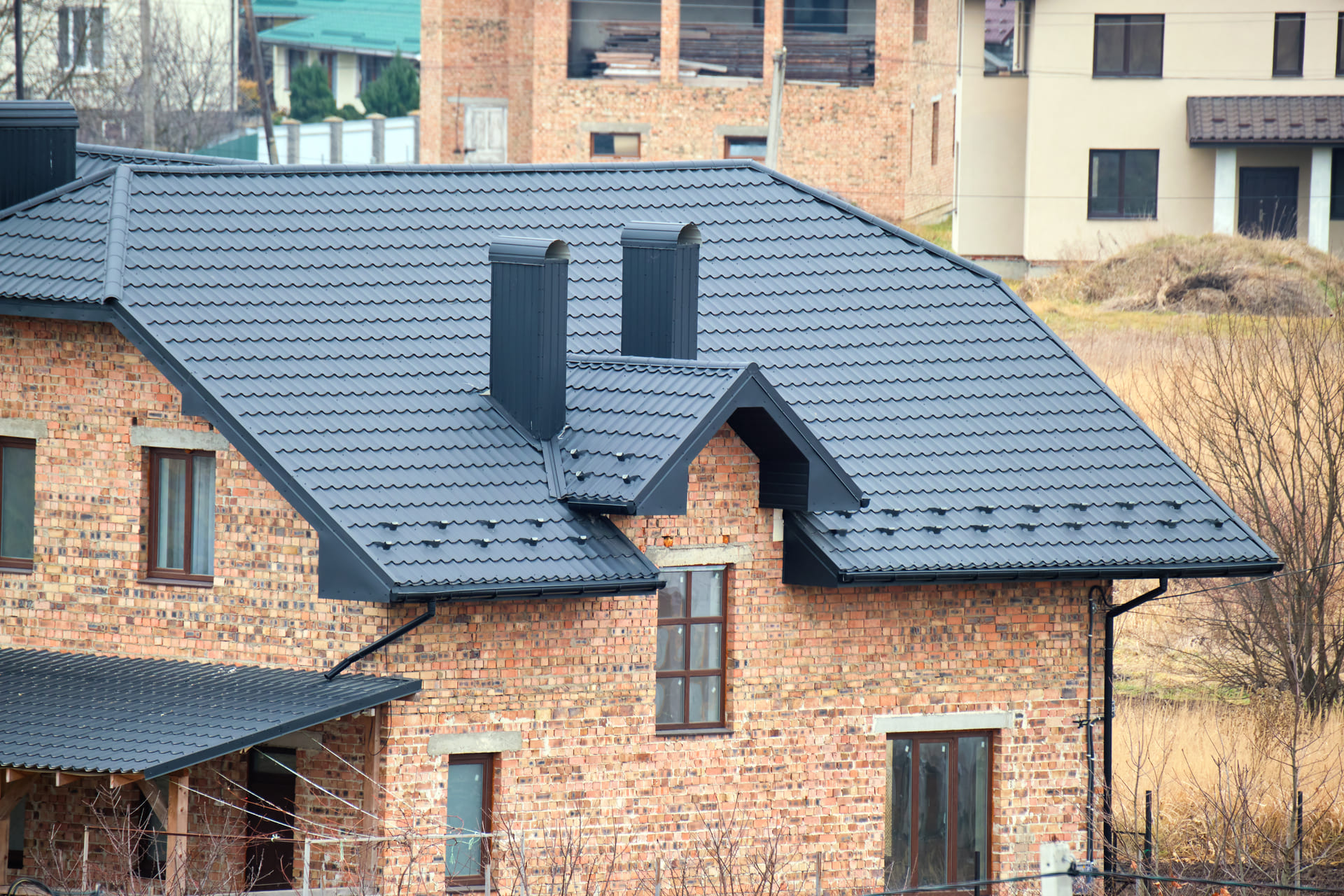
Stone-coated steel shingles take a steel base and embed stone granules into an acrylic resin coating on the surface. The result looks nearly identical to a traditional asphalt architectural shingle — but with the structural strength of steel underneath.
This is one of the most popular types we recommend for homeowners who want the performance of metal without dramatically changing the appearance of their home.
The stone surface blends naturally with neighborhood aesthetics across Madison, Sun Prairie, and surrounding communities, and provides additional sound dampening, which addresses the noise concern we hear most often from homeowners considering metal for the first time.
4. Copper metal shingles
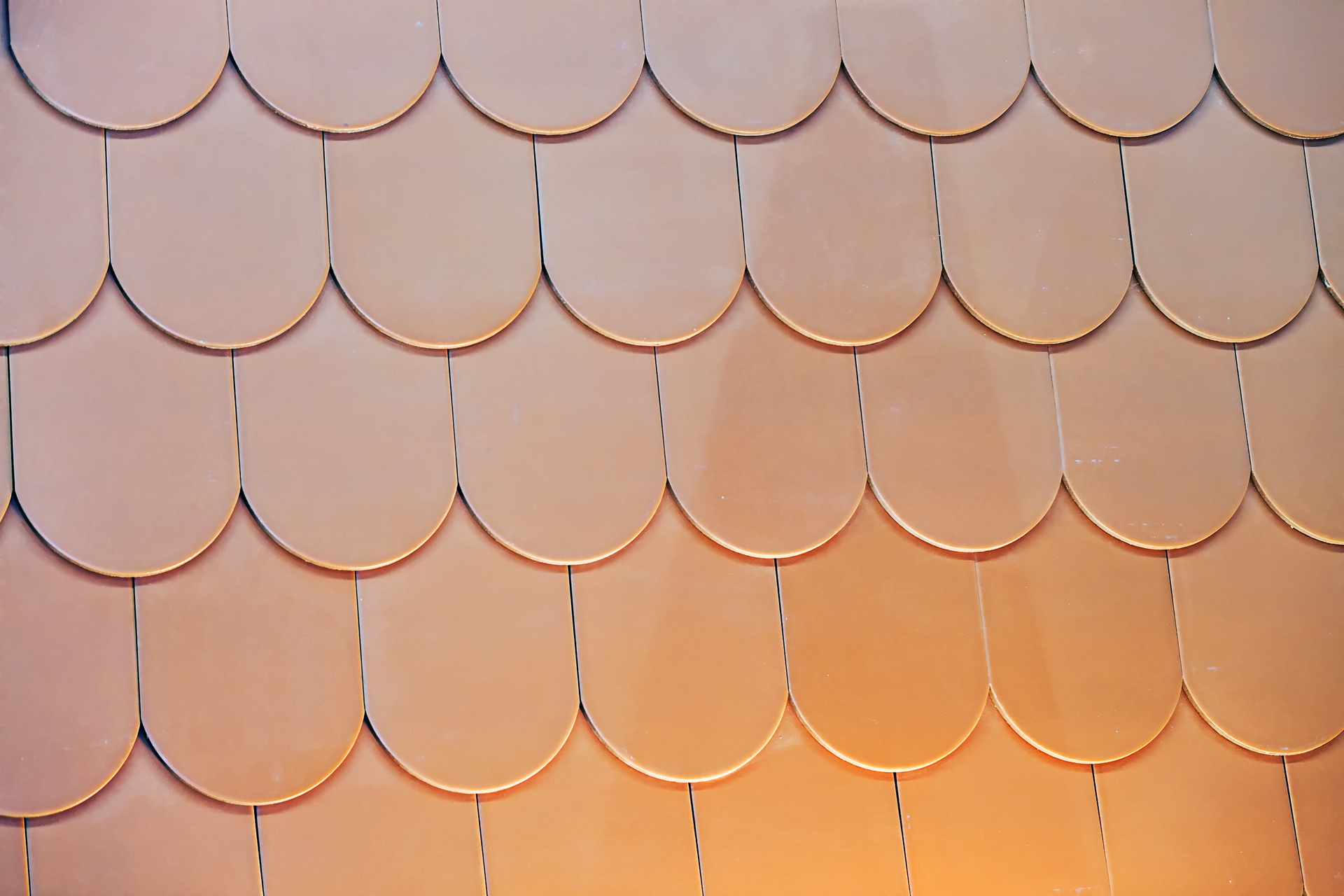
Copper is the premium end of the metal shingle market — a material with centuries of proven roofing performance and a lifespan that can exceed 100 years in the right conditions. It’s naturally antimicrobial, completely corrosion-resistant, and develops a distinctive patina that many homeowners find architecturally striking over time.
For most Wisconsin homeowners, copper shingles are used selectively on dormers, bay windows, or accent features rather than across an entire roof.
If you’re considering copper as part of a mixed-material exterior approach, it’s worth a conversation with our team about which areas would benefit most and how copper interacts with adjacent metals — dissimilar metals in direct contact can cause galvanic corrosion if not properly separated during installation.
5. Zinc metal shingles
Zinc shingles are gaining traction in the U.S. market, particularly for higher-end residential projects. Zinc is self-healing — minor surface scratches oxidize and re-seal naturally, which gives the material exceptional long-term durability without additional protective coatings. Its lifespan is typically in the 60–100 year range.
Zinc is also lightweight and highly malleable, making it easier to form around complex roof shapes and architectural details. The trade-off is cost: zinc sits at a premium price point, and finding qualified installers with zinc-specific experience is more challenging than for steel or aluminum.
Our team can advise you on whether the investment is the right fit for your home’s architecture and long-term goals.
Choosing the right metal shingle type for your Wisconsin home
The right metal shingle for your home comes down to four factors: budget, architectural style, performance priorities, and how long you plan to stay. The table below summarizes the key differences to help frame that conversation.
| Type | Best for | Lifespan | Cost tier | Wisconsin climate note |
| Galvalume steel | Most homes; best overall value | 40–70 years | Mid | Excellent freeze-thaw performance with PVDF coating |
| Aluminum | High-moisture locations; lightweight needs | 40–60 years | Mid-high | Softer than steel; check local hail exposure |
| Stone-coated steel | Homeowners wanting asphalt-like appearance | 40–70 years | Mid-high | Added sound dampening; popular in residential neighborhoods |
| Copper | Accent features; premium custom homes | 80–100+ years | Premium | Requires separation from dissimilar metals |
| Zinc | High-end residential; complex roof shapes | 60–100 years | Premium | Self-healing surface handles freeze-thaw cycling well |
What are metal shingles?
Metal shingle roofs mimic the appearance of traditional asphalt shingles or wooden shingles, but with the added benefits of metal. These shingles come in various shapes and designs, providing homeowners with the option to emulate the look of classic roofing materials while enjoying the durability and longevity of metal.
Metal shingles offer a perfect blend of aesthetics and resilience, resisting weathering, fire, and rot. Their interlocking design enhances protection against leaks, ensuring a longer lifespan compared to their traditional counterparts. This makes them a preferred choice for Wisconsin shingle roof replacement, offering durability while preserving the classic charm of traditional roofs.
Unlike standing seam metal roofing — where long panels run continuously from eave to ridge — metal shingles are installed in rows, much like asphalt shingles. They arrive pre-formed from the factory, ready to install, and interlock on all four sides to create a continuous weather barrier across your entire roof.
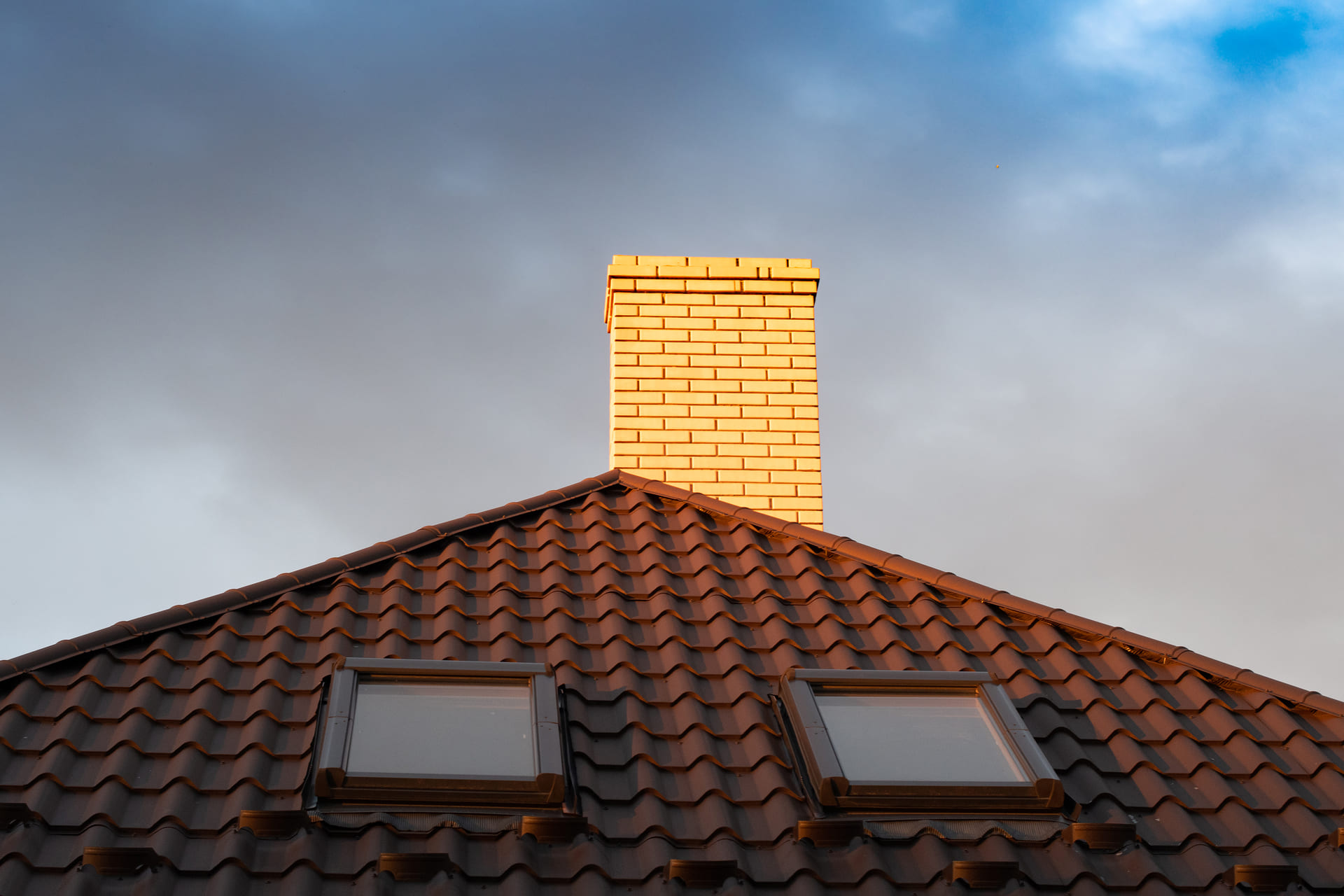
How metal shingles compare to asphalt shingles in Wisconsin
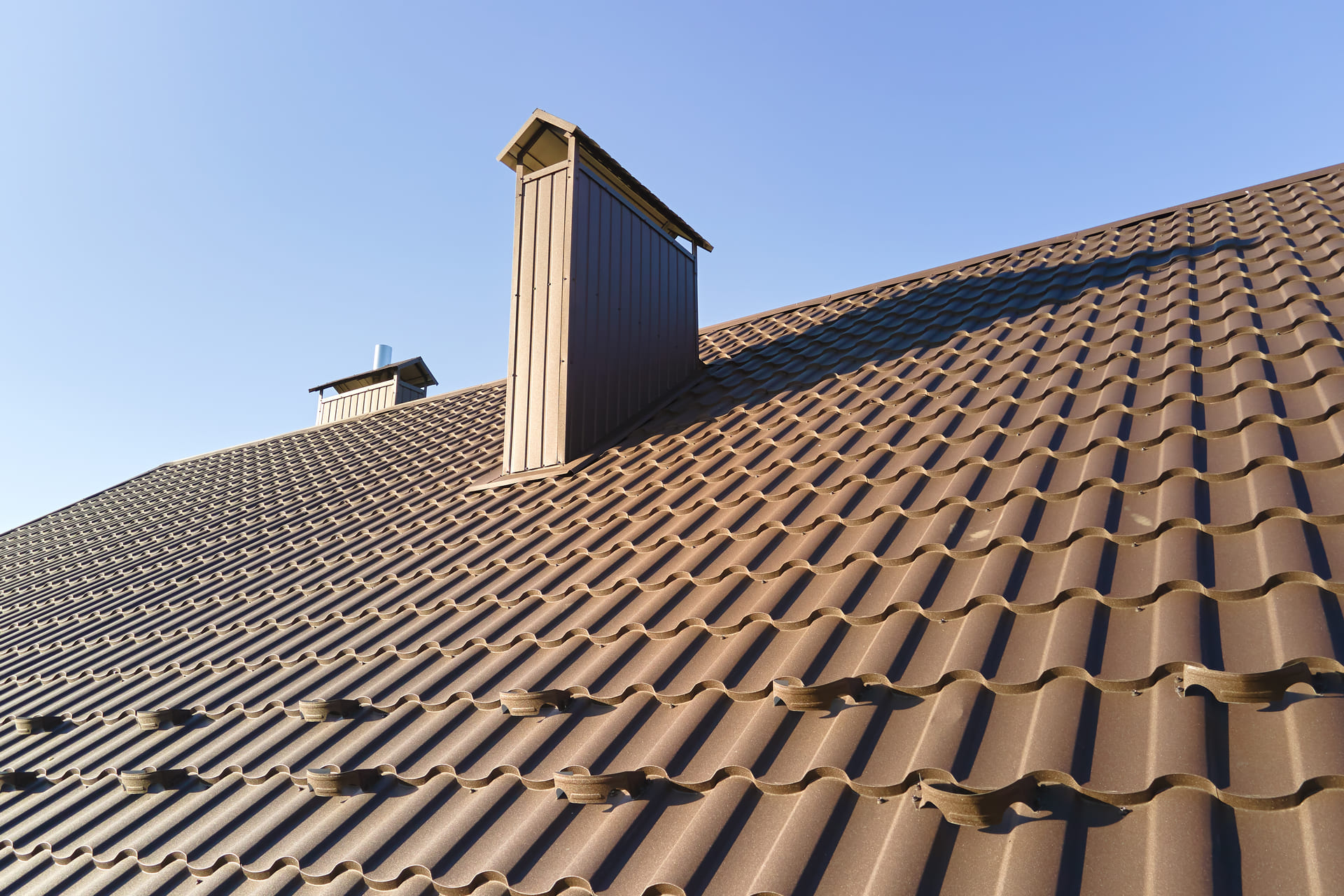
Metal shingles outlast asphalt by decades and handle Wisconsin’s freeze-thaw cycles, ice dam risk, and heavy snow loads far better than standard shingles. The case for metal is especially strong in South-Central Wisconsin, where our climate puts roofs through stresses that milder states never have to deal with.
According to the Wisconsin State Climatology Office, Madison averages 51.8 inches of snow per year based on 1991–2020 climate normals. That consistent snow load, combined with frequent freeze-thaw cycles, puts repeated stress on roofing materials.
Asphalt shingles expand and contract through those cycles, eventually cracking, cupping, and losing granules. Metal shingles handle that thermal movement without degrading the same way.
| Metal shingles | Asphalt shingles | |
| Lifespan | 40–70 years | 20–30 years |
| Snow and ice performance | Sheds snow naturally; resists ice dam formation | Prone to ice dam damage; granule loss from freeze-thaw |
| Fire resistance | Class A fire-rated | Class A–C, depending on product |
| Hail resistance | Strong impact resistance; select products rated Class 4 | Varies; standard products susceptible to denting and cracking |
| Weight | Lightweight; minimal structural stress | Moderate weight |
| Cost per square (materials only) | Higher upfront material cost | Lower upfront material cost |
| Recyclability | Fully recyclable at the end of life | Not easily recyclable |
Pricing above reflects general market ranges for materials only and does not include installation. We’re happy to walk you through what a specific project would look like for your home.
Get local guidance on costs and materials from our Madison metal shingles team.
YOUR TRUSTED PARTNER FOR ROOF REPLACEMENT
Upgrade to a durable metal shingle roof with help from Prairie Exteriors. Built to protect your home.
Metal shingle styles: what they can look like on your home
Metal shingles are available in styles that closely replicate the look of slate, cedar shake, traditional asphalt, and clay tile — giving Wisconsin homeowners the performance of metal without sacrificing curb appeal. Modern manufacturing, including print coat technology, produces multi-tone finishes that are difficult to distinguish from the materials they mimic.
The most common style options include:
- Slate-style metal shingles — Flat, clean panels that replicate the refined appearance of natural slate without the weight or cost. A good fit for Wisconsin homes with Colonial, Craftsman, or traditional architectural styles.
- Cedar shake-style metal shingles — Textured panels that mimic the rustic, wood-grain appearance of cedar shakes. Popular in neighborhoods where cedar shake is common, but homeowners want to avoid the maintenance and fire risk of real wood.
- Traditional shingle-style — The closest visual match to standard asphalt architectural shingles. Stone-coated steel is particularly effective here.
- Tile-style metal shingles — Less common in Wisconsin than in warmer markets, but available for homeowners who want Mediterranean or Spanish-influenced aesthetics.
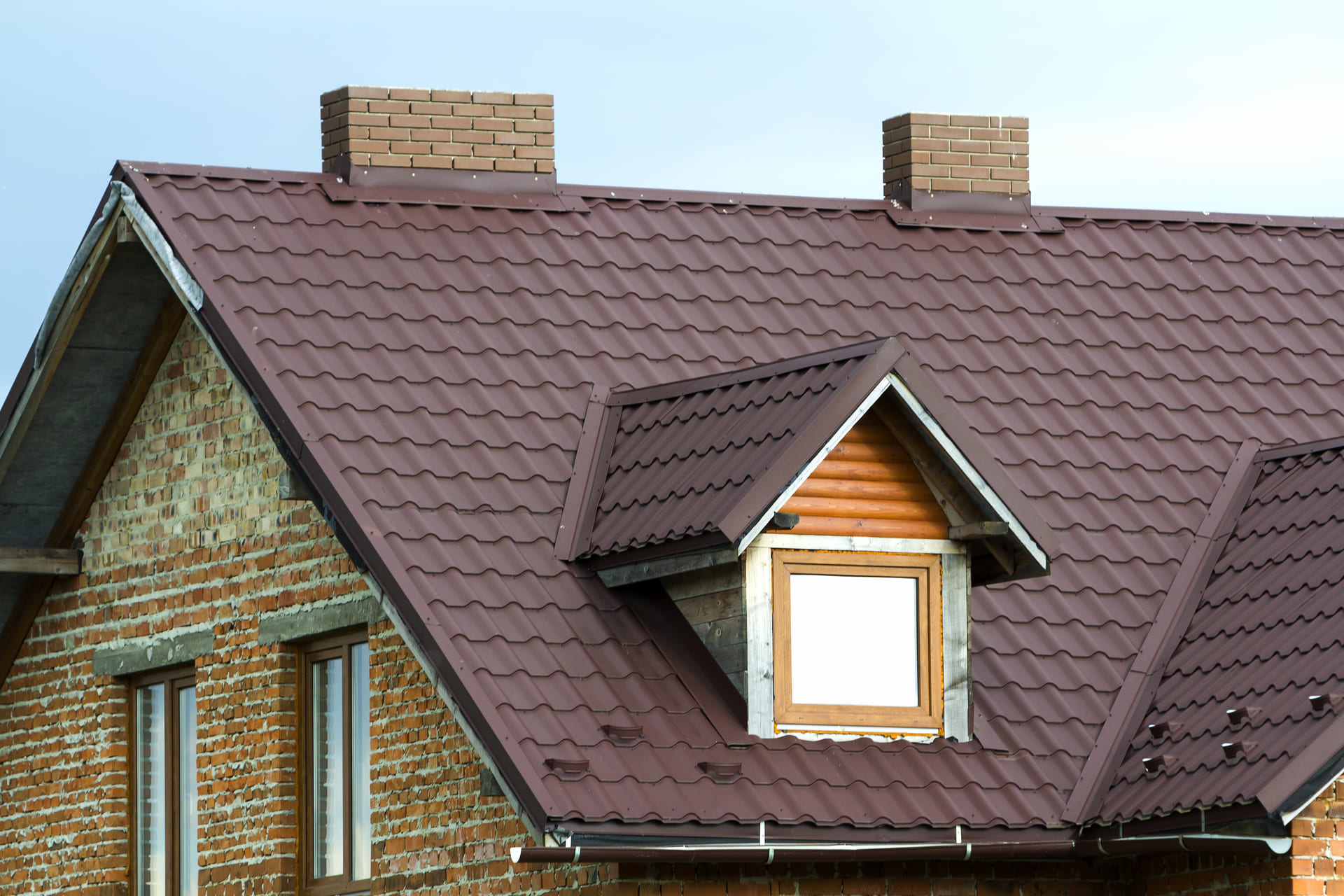
Paint system choice matters for long-term color performance. PVDF coatings provide better fade and chalk resistance than SMP systems — a meaningful consideration in Wisconsin, where UV exposure combined with temperature extremes can accelerate coating degradation on lower-grade finishes.
We’ll help you identify the right finish for your specific product and climate exposure.
How Wisconsin’s climate shapes the right metal shingle choice
Not all metal shingles perform equally in Wisconsin conditions — snow load, freeze-thaw cycling, ice dam risk, and hail exposure all affect which material and product is right for your home. Our winters create stresses that should be part of any roofing decision here in South-Central Wisconsin.
Snow load and ice dam risk are the most important Wisconsin-specific considerations. Metal shingles shed snow more readily than textured asphalt, reducing the weight accumulation that can stress roof structures.
Their thermal properties also make it harder for ice dams to form compared to asphalt, which traps heat and creates the melt-refreeze cycle at eaves that causes interior water damage in Wisconsin homes every winter.
Hail is a real and documented factor in South-Central Wisconsin. The National Weather Service Milwaukee/Sullivan office tracks hail events across our region regularly, and Dane County has recorded hail up to 2 inches in diameter during severe storm events.
If Class 4 impact resistance is a priority for your home, we’ll point you specifically toward products that carry that rating — not all metal shingles do. Class 4 is the highest impact-resistance designation under UL 2218 testing and is available in select steel shingle products.
UPGRADE YOUR ROOF WITH CONFIDENCE
Protect your home with durable, high-quality roofing from Prairie Exteriors. Trusted and reliable solutions.
Metal shingle warranties explained
The headline warranty number on a metal shingle product doesn’t tell the whole story — and we make it a point to walk every customer through exactly what their warranty covers before any work begins.
Most metal shingle manufacturers offer:
- Product/materials warranty — Covers manufacturer defects, cracking, peeling, and splitting. Many premium products offer limited lifetime coverage.
- Paint/finish warranty — PVDF-finished products typically carry a 30-year fade and chalk resistance warranty. SMP-finished products generally offer shorter coverage periods.
- Wind warranty — Coverage for wind uplift damage up to a specified speed. We verify that your product’s wind rating aligns with Wisconsin’s wind exposure requirements.
- Workmanship warranty — This comes from your contractor, not the manufacturer. It covers the quality of the installation itself.
Some manufacturer warranties require installation by a certified or factory-trained contractor — if the product is installed without that certification, the manufacturer’s warranty may be voided. We take warranty compliance seriously on every project we take on.
Have questions about what a warranty covers? Contact us and we'll walk you through it.
What metal shingle installation involves
Metal shingle installation is more technical than asphalt shingle replacement and requires a contractor with specific experience in stamped panel systems. The interlocking nature of the panels means alignment matters throughout the entire job — errors early in the process compound as installation progresses.
Key installation considerations for Wisconsin homes include:
- Underlayment selection — In a cold climate like ours, self-adhering ice and water barrier underlayment is essential at eaves, valleys, and other vulnerable areas to prevent ice dam water infiltration.
- Ventilation — Proper attic ventilation is critical with metal roofing. Without it, the thermal efficiency of the metal system can contribute to moisture buildup in the attic space.
- Fastener type and placement — Metal expands and contracts with temperature changes. Fasteners need to be the correct type for the specific product and installed to accommodate that movement — not over-driven or under-driven.
- Flashing details — Chimney, skylight, and pipe penetration flashing requires careful execution. These are the most common failure points on any roof, and metal shingles are no exception.
Wisconsin requires contractors working on one- and two-family dwellings to hold a Dwelling Contractor certification from the Department of Safety and Professional Services. Every project we carry out meets that standard.
At Prairie Exteriors, we carry multiple product lines precisely because we know one size doesn’t fit every home. We’ll narrow down the options with you, explain what we’d put on our own homes, and make sure you go into your project with a clear picture of what you’re getting and why.
Let us find the right metal shingle for your Wisconsin home
With more than 60 years of combined experience serving Madison, Sun Prairie, and South-Central Wisconsin, we only recommend products we’d install on our own homes.
Our team is here to cut through the noise, compare your options honestly, and make sure your investment is the right one for your roof, your budget, and Wisconsin’s climate.
Call us at +1 608-370-2528 or visit our contact page to schedule your free consultation.
HIGH-QUALITY
ROOF REPLACEMENT
YOU CAN RELY ON
Choose Prairie Exteriors for durable, dependable roofing solutions designed to stand the test of time.
Frequently asked questions
Can you install metal shingles over existing asphalt shingles in Wisconsin?
In most cases, yes — metal shingles can go over one existing layer of asphalt shingles if the deck is structurally sound and local codes allow it, saving on tear-off and disposal costs.
However, if there’s moisture damage, rotted decking, or significantly uneven shingles underneath, a full tear-off is the right call. We assess the condition of your existing roof before making any recommendations.
Will a metal shingle roof make more noise during rain or hailstorms?
No — for most Wisconsin homes, a properly installed metal shingle roof is not noticeably noisier than asphalt. Metal shingles installed over a solid deck with quality underlayment and insulation perform similarly to asphalt for sound.
Stone-coated steel adds extra dampening from the granule surface. The “tin roof” noise people associate with metal comes from uninsulated agricultural buildings, not residential systems installed to current standards.
Does switching to metal shingles change what I pay for homeowner's insurance?
It often lowers your premium. Many Wisconsin carriers discount policies for Class A fire-rated and Class 4 impact-resistant roofing. The trade-off to be aware of: some insurers classify hail dents on metal as cosmetic damage, meaning they won’t cover repairs even if a premium reduction is in place.
We recommend calling your insurance provider before installation to confirm how your specific policy handles metal roofing.
How long does a metal shingle roof installation typically take on a Wisconsin home?
Most residential metal shingle installations take two to four days, depending on roof size, complexity, and the number of penetrations like chimneys and skylights. Weather is always a factor in Wisconsin — cold temperatures affect sealant and underlayment performance, so our team schedules installations during suitable conditions.
We’ll give you a realistic timeline specific to your home during the consultation.
What should I do if a metal shingle gets damaged by a falling branch or hail?
Individual metal shingles can be replaced without disturbing the rest of the roof — one of the practical advantages over standing seam systems. If impact damage is a concern, document it with photos and contact your insurance carrier promptly, since hail damage claims often have time-sensitive reporting windows.
Our team can inspect the damage, confirm the scope, and handle the repair or work alongside your adjuster if needed.