
Metal Roofing in Madison, WI
PRAIRIE EXTERIORS
Welcome to Prairie Exteriors, your trusted Madison, WI metal roofing contractor.
A roof replacement is a crucial investment for your precious abode, and we understand the enormity of the decision you’re about to make.
Specializing in high-quality metal roofing, we offer a comprehensive selection of roofing products, installed and serviced by our team of experienced, courteous professionals. Our goal is to ensure your absolute satisfaction with your new roof.
Being a top-rated shingle roofing company in Wisconsin, we’re also renowned for our dedication to providing superior roofing solutions. We started our journey over a decade ago with a mission to protect families and their homes by providing the finest quality roofing services.
Our commitment to excellence and relentless pursuit for innovation have enabled us to stay at the forefront of the roofing industry, offering a wide range of services from installation to repairs, maintenance, and replacement.
Our team of experienced professionals is dedicated to delivering your roofing project to the highest standards. We meticulously choose top-quality materials from leading brands, ensuring long-lasting durability and aesthetic appeal. Our customer-focused approach involves guiding our clients throughout the process, answering their questions, and addressing any concerns to ensure complete satisfaction.
Expert metal roofing in Madison, WI
With over a century of combined experience, our team is well-versed in the intricacies of roofing in Madison, WI. We have the capacity to meet all levels of demand due to our ability to rapidly expand our skilled workforce as needed. This ensures that we always maintain our quality and commitment to timelines, irrespective of the scope or scale of your project.
We provide both residential and commercial roofing services, ensuring that every detail is meticulously managed and executed with utmost professionalism. We are not just committed to delivering high-quality roofing solutions, but also to creating a stress-free experience for our clients.
We give informed, authoritative advice to help you make the best choices for your roofing needs – because at Prairie Exteriors, your home is our mission.
Communication
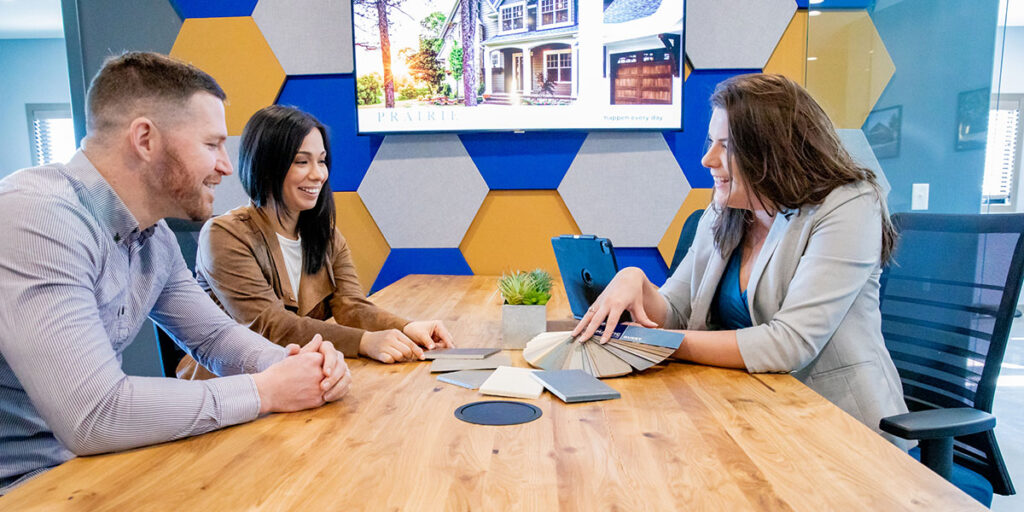
Clear communication throughout the process, from initial consultation to project completion, and even post-installation support.
TRUSTED BRANDS
Our partners include some of the most reputable brands in the industry, which allows us to deliver products and solutions that are not only durable and efficient, but also aesthetically pleasing.
Innovative technologies
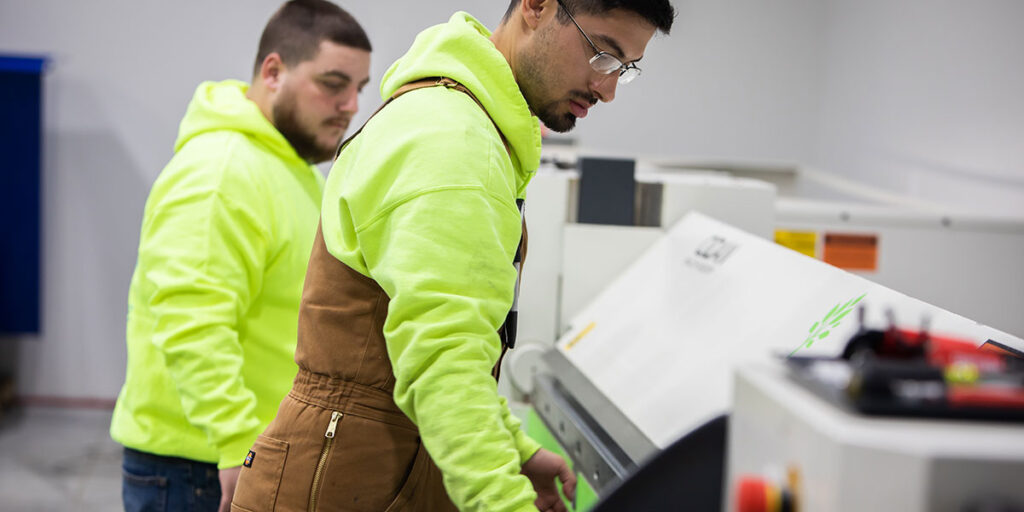
As a leading roofing contractor, we consistently strive to be ahead of the curve by continually improving our services, adopting innovative technologies, and staying updated on the latest industry standards.
Featured Brands
Prairie Exteriors partners with the best manufacturers in the metal roofing industry to deliver the most reliable products for our customers.
Prairie Panels
Standing Seam System
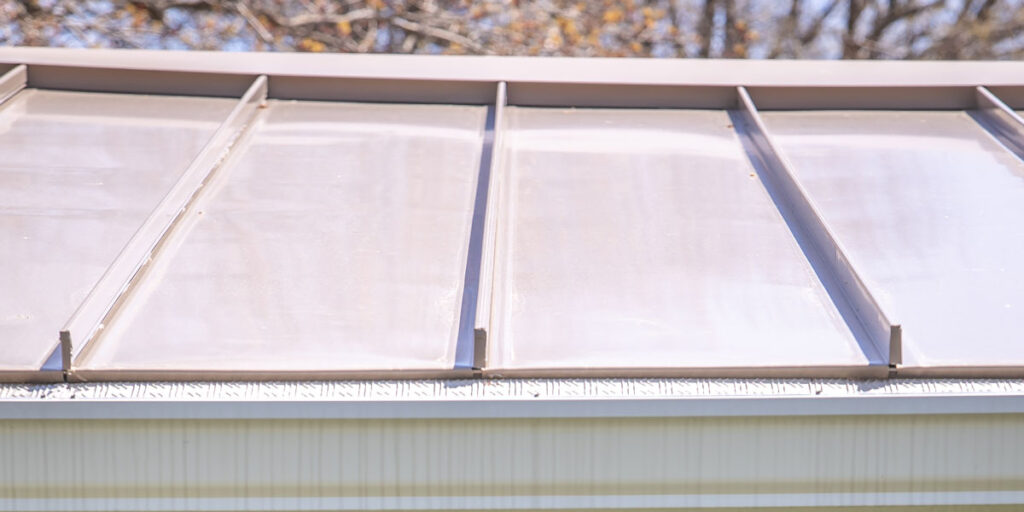
PrairiePanel is a premium standing seam metal roofing system designed to deliver long-lasting protection, clean modern appearance, and exceptional durability for your home or building. Manufactured from high-quality steel with a durable Galvalume® coating, this roofing system is engineered to resist rust, withstand harsh weather conditions, and provide decades of low-maintenance performance.
Unified Steel
Stone Coated Roofing
Stone-coated steel panels deliver the look of traditional roofing with advanced performance, energy efficiency, and sustainability. Lightweight, easy to install, and backed by a 50-year transferable warranty, it’s a smarter roofing solution for homes and projects built to last.
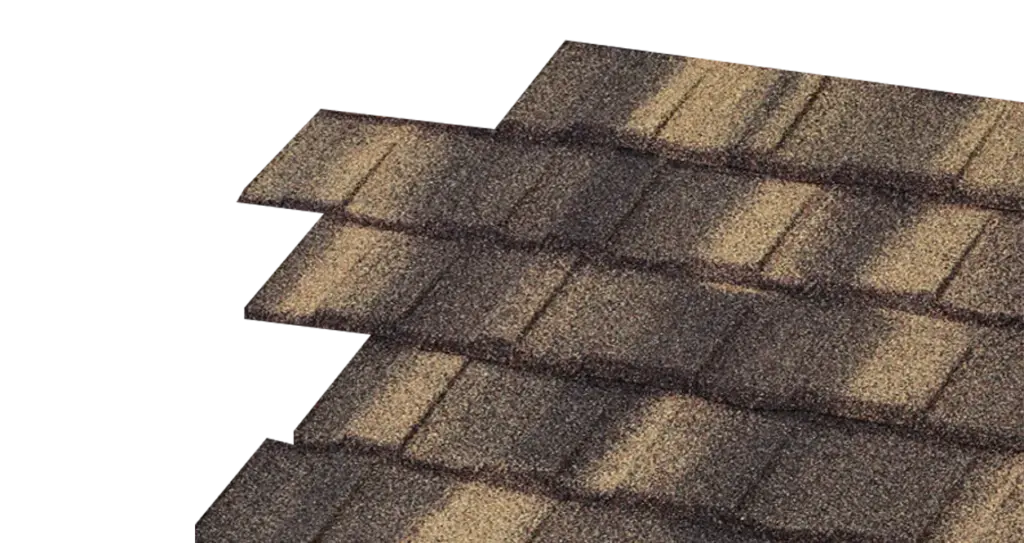
Edco
Steel Roofing Shingles
EDCO’s metal roofing will give a home or business the look of a traditional shingle but with unmatched durability that is backed with a lifetime warranty that includes hail and fade protection.
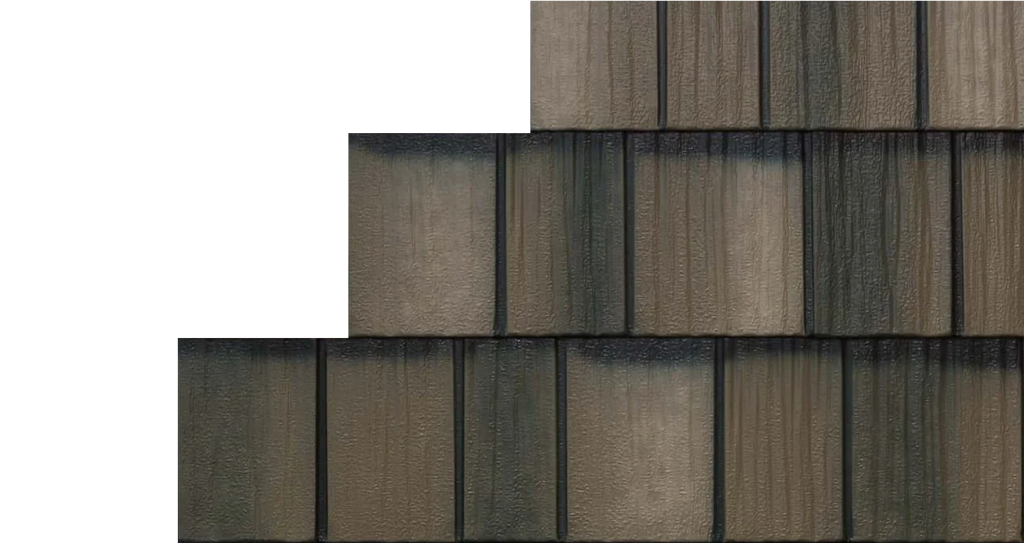
Vicwest
Metal Roof Shingles
Innovative windows and doors that deliver exceptional beauty, performance and peace of mind. Select Cedar Creek Shake, Coastal Wave, North Ridge Slate.
PRAIRIE EXTERIORS
Why choose us over other Madison metal roofing companies?
We believe in providing our customers with a variety of choices to best suit their unique needs and preferences. One of our specialties is in the various kinds of metal roofs we provide. From corrugated metal roofs that are renowned for their durability and cost-effectiveness, to standing seam metal roofs that provide a modern, sleek aesthetic with exceptional weather-tightness, we have something for every style and budget.
We understand that the choice of a new roof is a significant decision. Our team of experts is always on hand to provide you with the guidance and advice you need, factoring in your specific requirements, the architectural style of your home, your budget, and the climate conditions specific to Wisconsin.
With us, you don’t just get a new roof — you get a comprehensive roofing solution tailored to your needs, a dedicated team of professionals committed to your satisfaction, and the peace of mind that comes from knowing your home is protected by a roof that’s not just built to last, but also built to impress.
MATERIAL OPTIONS
We offer a wide selection of metal roofing materials to cater to the needs of our customers.
Aluminum
Lightweight and resistant to rust, aluminum roofs are an excellent choice for homes in coastal areas where salt spray is common. They are also environmentally friendly, being composed of up to 95% recycled materials.
Steel
Known for its incredible strength and durability, a steel roof is incredibly common. It comes in various styles and finishes including galvanized, galvalume, and weathering steel.
Copper
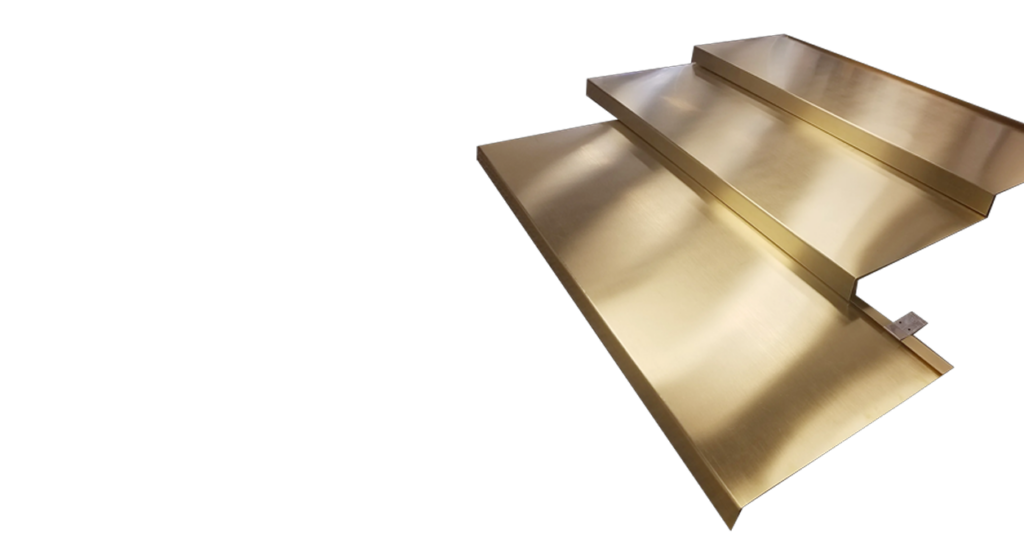
While more expensive than other options, copper offers unmatched beauty and a lifespan that can exceed 100 years. It develops a unique green patina over time, adding a historic and sophisticated look to your home.
Zinc
This versatile and soft metal is easy to shape into the desired design. It is incredibly long-lasting and has the unique ability to self-heal from scratches and minor damages.
Tin
Tin roofing offers a classic and durable metal roofing option that protects Madison homes from heavy snow, rain, and temperature swings while adding timeless curb appeal. At Prairie Exteriors, we install high-quality tin roofs that combine strength with low-maintenance performance to keep your home beautiful and secure for years.
Galvalume
What others think of our metal roofing in Madison

they installed new gutters/gutter guards, even came out the next time it rained as we were having issues in the same corner we had with the old ones, they saw the problem immediately and fixed it, everything has been great since

Karen Simonis
We are on the home stretch of completing a large project with Prairie Exteriors and we had a great experience. Katie did a wonderful job of walking us through the project vision and going through samples with us so we knew exactly what we were getting. As we most large renovations, hiccups arise, and our project was no exception. Prairie Exteriors did a great job taking care of any issues and it was stress free. We liked the experience so much we are signing up for another project this fall!

Reid Imerman
Prairie Exteriors installed a new roof, siding, and gutters for us. Everything was great from the time we signed through completion of the project. Quality work and a quick process. Everyone there was great to work with.

sara finnegan
SERVICE AREA
Exterior Remodeling Services in Wisconsin
Prairie Exteriors proudly offers Wisconsin window replacement services, covering all the major cities:
- Baraboo
- DeForest
- Fitchburg
- Lodi
- Madison
- Middleton
- Milwaukee
- Portage
- Poynette
- Prairie Du Sac
- Reedsburg
- Sauk City
- Stoughton
- Sun Prairie
- Verona
- Waunakee
FAQs
How long does a metal roof last in Wisconsin’s climate?
A properly installed metal roof typically lasts 40–70 years in Wisconsin, though premium materials like copper and zinc can exceed 100 years. Thanks to their ability to handle heavy snow loads, freeze–thaw cycles, high winds, and humidity, metal roofs offer some of the most reliable long-term performance in Wisconsin’s demanding climate.
Is a metal roof noisy during rain or storms?
No. Modern metal roofing systems are installed over solid decking, underlayment, and insulation, which all work together to dampen sound. When installed by an experienced Wisconsin contractor, a metal roof is no louder than asphalt shingles, even during heavy rain or storms.
What types of metal roofing materials can I choose from?
Wisconsin homeowners can choose from several durable metal roofing options, each offering unique advantages for local weather conditions:
- Aluminum – Lightweight, corrosion-resistant, and ideal for moisture-rich environments.
- Steel – The most common choice in Wisconsin thanks to its strength and excellent snow-load performance.
- Copper – A premium option with a lifespan of 70–100+ years that develops a protective patina over time.
- Zinc – Known for its self-healing properties and exceptional longevity in harsh climates.
- Galvalume – Valued for its strong corrosion resistance and durability, offering long-lasting performance with a clean, modern metallic appearance.
Each material supports different budgets, home styles, and long-term performance goals.
Will a metal roof help with energy efficiency?
Yes. Metal roofing reflects radiant heat during summer and sheds snow efficiently during winter, improving overall energy performance. Many Wisconsin homeowners see reduced cooling costs, fewer ice-dam issues, and more stable indoor temperatures compared to traditional shingles.
How do I know which metal roof is right for my home?
Your roofing contractor should evaluate your home’s architecture, roof pitch, budget, and Wisconsin’s climate demands to recommend the best system. Whether you choose standing seam panels for maximum weather protection or metal shingles for a more traditional appearance, the ideal roof is one tailored to your property’s needs and the state’s seasonal extremes.