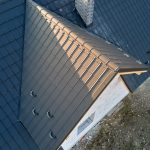

For most Wisconsin homeowners, metal shingles are the stronger long-term investment — but asphalt shingles remain the right choice in specific situations. Both materials protect your home, but they perform very differently in South-Central Wisconsin’s climate. This guide helps you make a confident, informed decision.
At Prairie Exteriors, we carry both materials and have no interest in steering you toward the more expensive option if it’s not the right fit.
Learn more about our asphalt roof repair service in WI.

What Is the Difference Between Metal Shingles and Asphalt Shingles?
The main difference between metal shingles and asphalt shingles is the material they’re made from and how long they last.
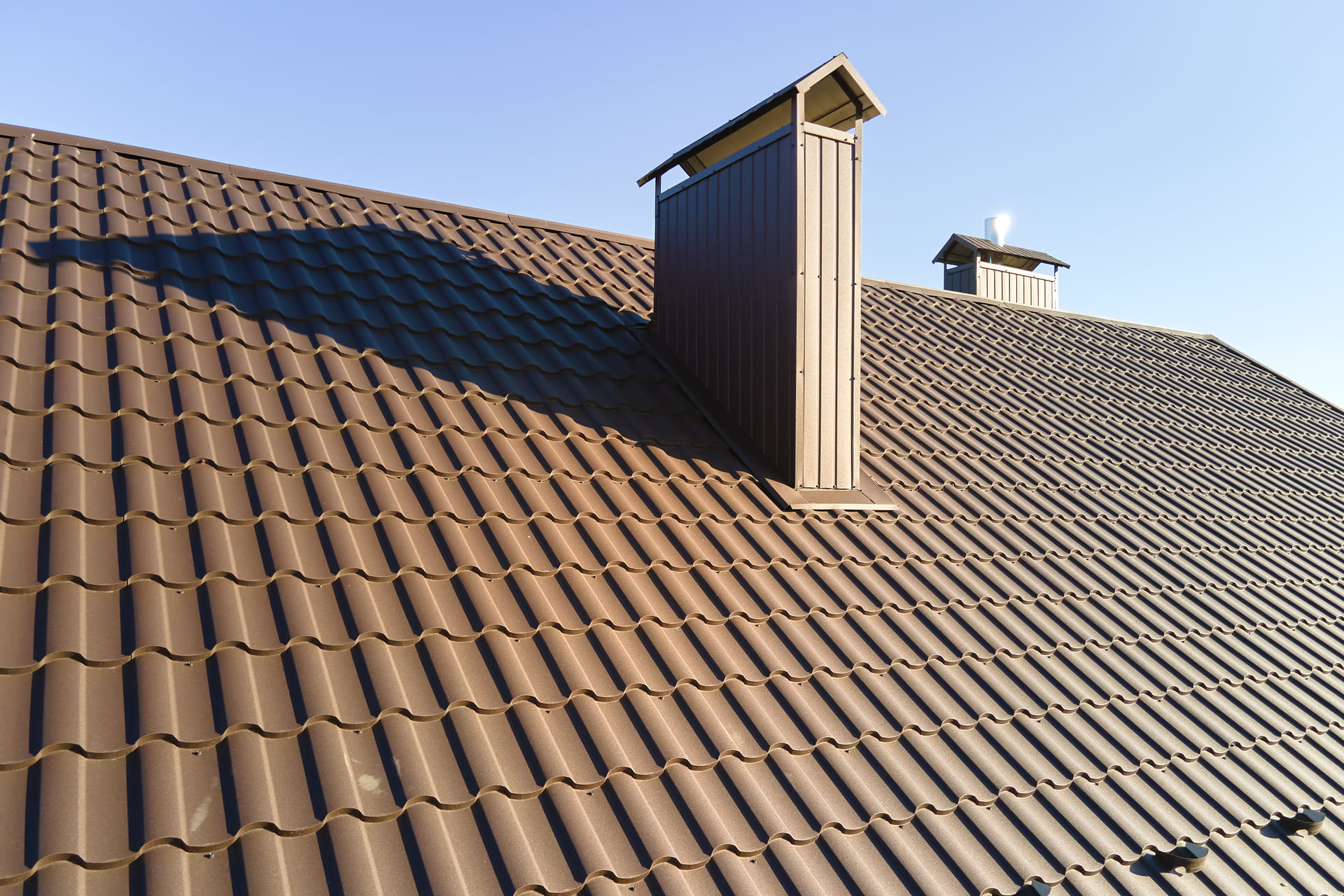
Metal shingles are small interlocking panels — typically steel or aluminum — stamped to mimic the look of traditional shingles, slate, or wood shake. Asphalt shingles are fiberglass mats coated in asphalt and topped with protective granules.
Beyond materials, the two differ most in lifespan, upfront cost, and how they hold up under stress. Metal shingles can last 50 years or longer. Architectural asphalt shingles typically last 25–30 years under normal conditions — and Wisconsin winters are anything but normal.
Additional reading: types of roofing shingles
How Do Metal Shingles and Asphalt Shingles Hold Up in Wisconsin Winters?
Wisconsin’s climate is one of the harshest environments a roof can face — and it’s the most important factor for homeowners in Madison, Sun Prairie, and South-Central Wisconsin. According to the Wisconsin State Climatology Office, Madison averages 51.8 inches of snow per year. That snow load, combined with repeated freeze-thaw cycles, puts enormous stress on roofing materials.
Metal shingles handle this environment especially well. Their interlocking design sheds snow more efficiently than asphalt, reducing the weight buildup that can strain your roof structure. Metal also doesn’t absorb water — so when temperatures swing between freezing and thawing (common from November through March in Wisconsin), metal shingles won’t crack, warp, or lose their protective granules.
Asphalt shingles are more vulnerable to these cycles. Each freeze-thaw event causes slight expansion and contraction. Over the years, that repeated stress accelerates granule loss and shortens the roof’s effective lifespan — sometimes well below the manufacturer’s stated warranty period in Wisconsin’s climate.
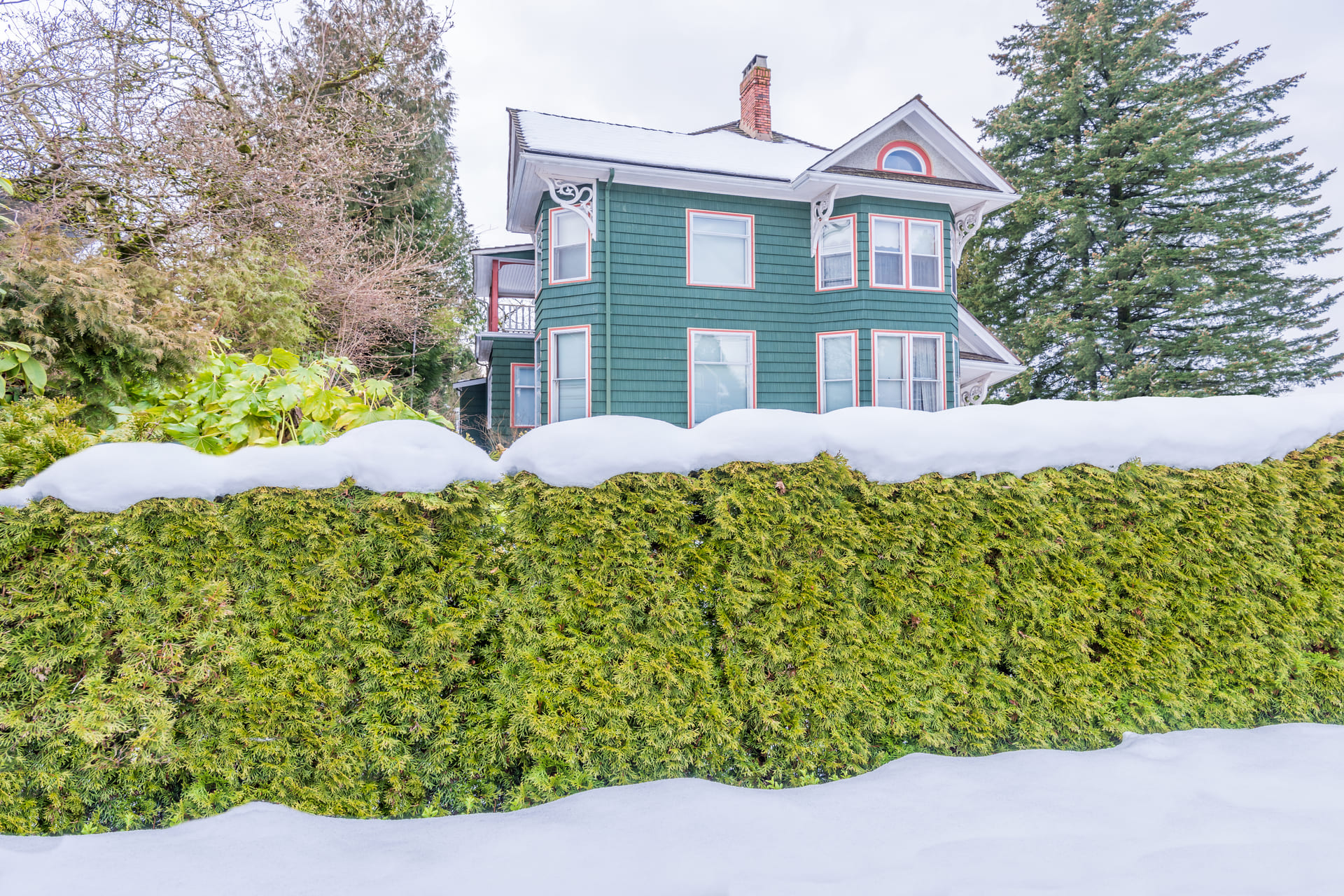
Ice Dams: A Wisconsin-Specific Risk
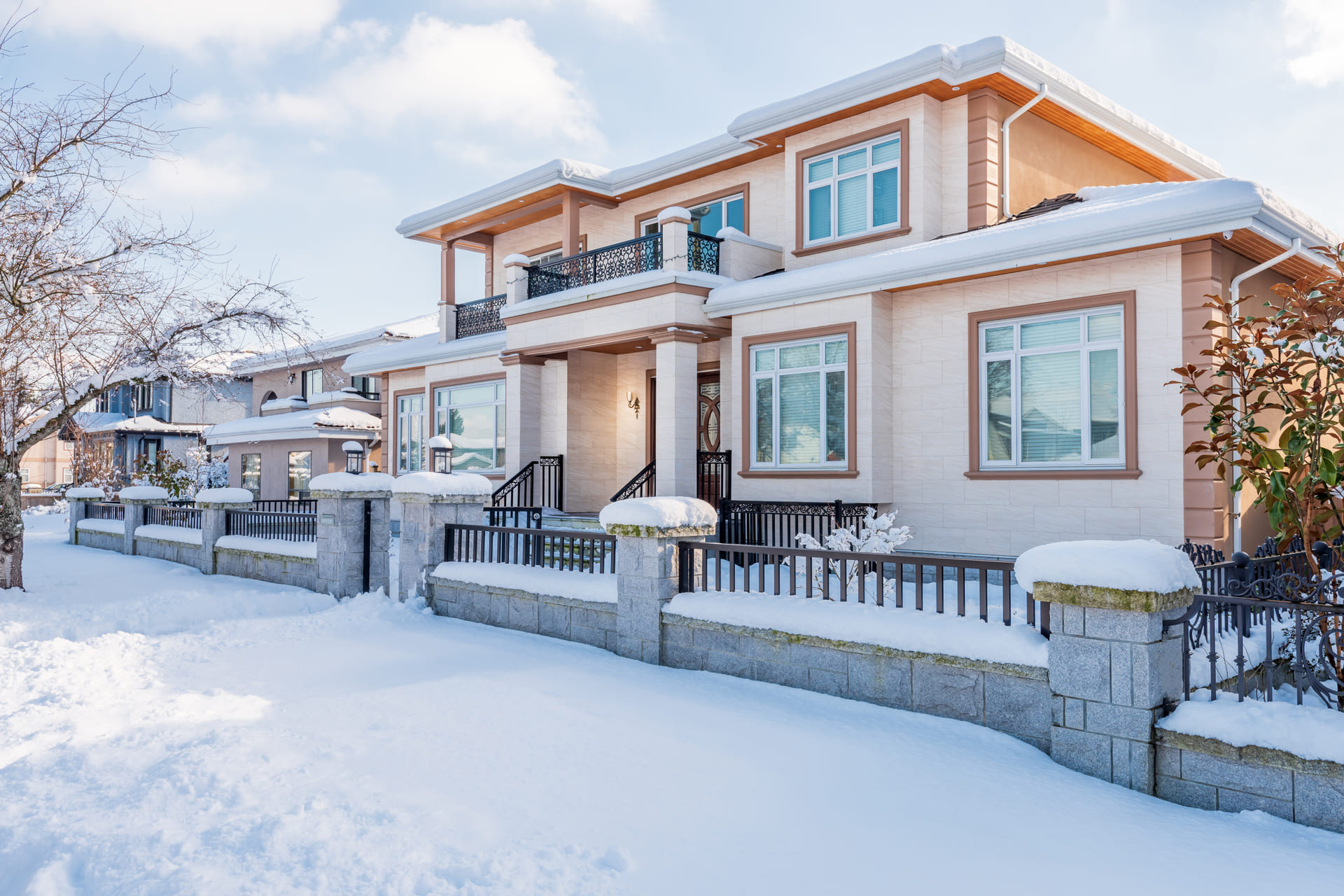
Ice dams form when heat escapes through your roof, melts snow near the ridge, and that water refreezes at the cold eaves — creating a wall of ice that traps water against your roof and is a leading cause of interior water damage in Wisconsin homes.
Metal shingles offer a natural advantage here. Their slick surface sheds snowmelt faster, reducing the conditions that allow ice dams to form. Wisconsin’s Uniform Dwelling Code (administered by the Wisconsin Department of Safety and Professional Services) includes specific ventilation and insulation requirements under SPS 322 designed to minimize ice dam risk — and metal roofing works best when these requirements are met in full.
Asphalt shingles provide more surface friction for water to pool and refreeze against, making proper attic systems even more critical with that material.
At Prairie Exteriors, we assess your full roofing system — not just the surface material — to make sure your home is protected from the inside out.
Learn more about our Wisconsin metal shingles
Metal Shingles vs. Asphalt Shingles Comparison Chart
| Category | Metal Shingles | Architectural Asphalt Shingles |
| Durability | 50+ years; excellent freeze-thaw and snow shedding performance | 25–30 years; granule loss accelerates in Wisconsin’s freeze-thaw climate |
| Quality | Up to 120+ mph wind resistance; algae resistance 25–40 years (product dependent); Class 3–4 impact rating (product dependent) | Typically 110–130 mph (Class H); algae resistance 10–15 years on standard products; Class 3–4 impact rating available as upgrade |
| Energy efficiency | High — reflects solar heat; strong CRRC ratings | Moderate — absorbs heat; increases HVAC load |
| Maintenance | Low — periodic inspection and cleaning | Moderate — inspect after every significant weather event |
| Price | Higher upfront; more economical over 40–50 years | Lower upfront; replacement costs add up over time |
| Warranty | 40–50 years; typically non-prorated | 25–30 years; often prorated after 10–15 years |
UPGRADE YOUR ROOF WITH CONFIDENCE
Protect your home with durable, high-quality roofing from Prairie Exteriors. Trusted and reliable solutions.
Durability
Metal shingles last significantly longer than asphalt, with most products carrying warranties in the 40–50 year range and real-world lifespans of 50 years or more. Architectural asphalt shingles are rated for 25–30 years, and in Wisconsin’s freeze-thaw climate, that upper end is rarely reached without diligent maintenance.
Winner: Metal shingles
Metal shingles outlast asphalt by a significant margin. For Wisconsin homeowners planning to stay in their home long-term, that lifespan difference alone can eliminate one or two full roof replacements over the life of the property.
Quality
Metal shingles and asphalt shingles are both rated against the same industry benchmarks — wind resistance, algae resistance, and impact rating — but they perform differently across each.
Metal shingles can achieve wind resistance up to 120+ mph, depending on the product and installation method. Algae resistance on metal shingles typically runs 25–40 years, as the material doesn’t provide the organic surface that algae feed on. Impact ratings vary by product — Class 4 is available but not universal, so always confirm the rating on the specific panel you’re considering.
Asphalt shingles rated Class H can reach 130 mph wind resistance at the premium tier. Standard architectural shingles carry algae resistance warranties of around 10–15 years, with longer coverage available on upgraded products. Class 3 and Class 4 impact ratings are available as upgrades and may qualify for homeowner’s insurance discounts in Wisconsin.
Winner: Metal shingles
Metal shingles hold up better against the benchmarks that matter most in Wisconsin — particularly algae resistance and long-term impact performance. Asphalt can match metal at the premium tier, but that requires deliberate product selection:
- Metal shingles: longer algae resistance, strong baseline impact performance
- Asphalt shingles: Class 4 impact and extended algae resistance available, but as paid upgrades
Energy Efficiency
Metal shingles reflect solar heat rather than absorbing it, which reduces attic temperatures and lowers cooling costs during Wisconsin’s humid summers.
Asphalt shingles absorb heat, which can increase the load on your HVAC system. The Cool Roof Rating Council (CRRC) sets the current industry standard for measuring solar reflectance in roofing materials — metal roofing consistently performs well under these ratings.
Winner: Metal shingles
Metal shingles reflect solar heat rather than absorbing it, keeping attics cooler in summer and reducing energy costs year-round. Asphalt shingles absorb heat, which increases the HVAC load during Wisconsin’s warm months.
Maintenance
Metal shingles require minimal maintenance — periodic inspections and occasional cleaning are typically all that’s needed. Asphalt shingles require more consistent attention, particularly after Wisconsin’s storm seasons. Best practice is to inspect asphalt shingles after every significant weather event, as wind, hail, and ice can dislodge or crack individual shingles in ways that aren’t always visible from the ground.
Winner: Metal shingles
Metal shingles require significantly less ongoing attention than asphalt. For Wisconsin homeowners dealing with active storm and ice seasons, that lower maintenance burden is a practical day-to-day advantage.
Price
Asphalt shingles cost less to purchase and install. Lower material costs, simpler installation, and a larger pool of qualified contractors all contribute to a lower upfront price. Metal shingles require more specialized labor and carry higher material costs. When total cost is calculated over the full lifespan — accounting for replacements, repairs, and energy savings — metal shingles often come out ahead over a 40–50 year window.
Winner: Asphalt shingles (upfront) — Metal shingles (long-term)
The right answer depends on your time horizon. Asphalt shingles cost less to install, but that advantage narrows significantly when you account for replacements over time:
- Asphalt shingles: lower upfront investment, better for shorter time horizons
- Metal shingles: higher upfront cost, but fewer replacements typically make them more economical over 40–50 years
Warranty
Metal shingles typically carry manufacturer warranties in the 40–50 year range, with some products offering lifetime coverage. Architectural asphalt shingles are generally warranted for 25–30 years — though it’s important to read the fine print. Most asphalt warranties are prorated, meaning the coverage value decreases significantly after the first 10–15 years. Metal shingle warranties tend to hold stronger value across their full term.
Winner: Metal shingles
Metal shingles carry longer warranty terms and typically offer better coverage value over the life of the product. Always compare the full warranty terms — not just the headline year — when evaluating either material.
Additional reading: types of metal shingles
With this in mind, if you want to get us to quote you for your roof replacement and are in Wisconsin, get in touch with us!
Installation: What’s Involved With Each Material?
Asphalt shingles are the most straightforward installation. Most roofing contractors are experienced with them; installation typically takes one to two days, and fewer specialized tools are required. That simplicity keeps labor costs lower and timelines shorter.
Metal shingle installation requires more skill and experience. Proper flashing, sealing, and fastening are critical — errors during installation can compromise the roof’s long-term performance.
An experienced installer will also account for metal’s natural expansion and contraction with temperature changes, which requires specific fastening techniques to prevent panel movement over time.
Our factory-trained team at Prairie Exteriors handles the full complexity of metal roofing installation, so you can focus on the decision — not the details.
Additional reading: metal roofing pros and cons
Which Is Best: Metal Shingles or Asphalt Shingles?
For most Wisconsin homeowners who plan to stay in their home long-term, metal shingles are the stronger investment. They outperform asphalt in lifespan, snow shedding, ice dam resistance, energy efficiency, fire resistance, and sustainability — all factors that matter significantly in South-Central Wisconsin’s climate.
That said, asphalt shingles remain the right choice in certain situations:
- Upfront installation cost is the primary constraint
- You plan to sell the home within the next 5–10 years
- Your HOA restricts metal roofing
- Your roof design is straightforward and budget-focused
Asphalt shingles are the right short-term investment; metal shingles are the right long-term investment. We can help you work out which side of that equation your home falls on.
YOUR TRUSTED PARTNER FOR ROOF REPLACEMENT
Upgrade to a durable metal roof with help from Prairie Exteriors. Built to protect your home.
Let Us Help You Make the Right Call for Your Home
Choosing between metal shingles and asphalt shingles is a long-term investment in your home’s protection, comfort, and value.
At Prairie Exteriors, we carry both materials and have no interest in steering you toward the more expensive option if it’s not the right fit. Our team brings more than 60 years of combined experience in roofing across Madison, Sun Prairie, and South-Central Wisconsin — and we only recommend products we’d put on our own homes.
We’ll assess your roof, walk you through the options honestly, and help you make a decision that serves your home and your budget for the long haul.
Call us at +1 608-370-2528 or contact us today to schedule your free roofing assessment.
Frequently Asked Questions
Can you install metal shingles over existing asphalt shingles in Wisconsin?
In many cases, yes — metal shingles can be installed directly over existing asphalt shingles, avoiding tear-off costs and landfill waste. Whether this is possible depends on your local building code, the condition of your roof deck, and how many shingle layers are already in place. We assess this as part of every inspection.
Wisconsin’s Uniform Dwelling Code limits the number of roofing layers permitted on a residential structure. If your home already has two layers of asphalt shingles, a full tear-off will be required before metal shingles can be installed. Our team checks this during the assessment process and walks you through your options before any work begins.
Are metal shingle roofs louder than asphalt when it rains or hails?
No — when installed over a solid roof deck with proper underlayment, metal shingles are not noticeably louder than asphalt. The loud rain noise associated with metal roofing applies to barns and outbuildings without insulation, not insulated residential roofs. Most Wisconsin homeowners report little to no difference in noise after switching.
The key factors are the underlayment system and roof deck beneath the shingles. A correctly installed residential metal shingle roof includes layers that absorb sound before it reaches the living space. If noise is a concern, we can walk you through the specific underlayment options we use and what to expect in your home.
Can metal shingles lower your homeowner's insurance premium in Wisconsin?
Yes, in many cases, metal shingles with a Class 4 impact resistance rating or Class A fire rating can qualify for premium discounts with many Wisconsin insurers. The exact discount depends on your carrier and policy terms. The Wisconsin Office of the Commissioner of Insurance is a reliable resource for understanding your coverage options.
Not all metal shingle products carry a Class 4 impact rating — it is a product-specific designation, not a category-wide standard. We can confirm the impact and fire ratings of the specific products we install so you have accurate information to bring to your insurance provider before making a final decision.
Is a standard Wisconsin home's roof structure strong enough to support metal shingles?
Yes — metal shingles are typically lighter than asphalt, so most standard residential roof structures in Wisconsin can support them without modification. A structural assessment is still a worthwhile step, particularly for older Madison-area homes where roof decking may have weakened due to ice dam damage or long-term moisture exposure.
We include a roof deck evaluation as part of our standard assessment process. If we identify any areas of concern — softened decking, inadequate ventilation, or previous water intrusion — we’ll flag them before installation begins and explain what repairs are needed to ensure the new roof performs as expected.
If storm damage affects one metal shingle panel, do you have to replace the whole section?
No — individual metal shingle panels can typically be removed and replaced without disturbing the surrounding installation. This is a practical advantage of the interlocking panel format compared to standing seam metal systems, where repairs are more involved. Color matching is easiest within the first few years, as all paint systems weather gradually over time.
For Wisconsin homeowners, this repairability matters after hail seasons and heavy ice events. Rather than replacing an entire roof section, a single damaged panel can be swapped out efficiently. We stock replacement panels for the products we install and can assess storm damage quickly to determine whether repair or broader replacement is the right call.