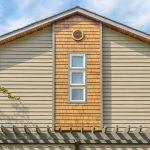

For most Wisconsin homes, fiber cement and engineered wood siding — such as James Hardie and LP SmartSide — are the best options.
Both hold up against freeze-thaw cycles, heavy snowfall, and summer humidity without the cracking, warping, or fading that affects less durable materials. The right fit depends on your budget, maintenance preferences, and your home’s style.
Contact our siding contractor in Madison, WI to find the right material for your home.

The best siding materials for Wisconsin homes
1. Fiber cement siding
Fiber cement is made from a blend of cement, sand, and cellulose fibers. The result is a material that behaves more like stone than plastic under stress — it doesn’t become brittle in the cold, doesn’t warp in summer heat, and resists moisture, fire, rot, and pests. It’s one of the most widely recommended siding materials for Midwest climates, specifically because of how well it handles freeze-thaw cycling.
James Hardie products are engineered for regional climates, and their HardieZone system accounts for the specific temperature and moisture demands of areas like South-Central Wisconsin. Fiber cement can be painted any color and repainted when you’re ready for a change, giving you long-term design flexibility that vinyl simply can’t match.
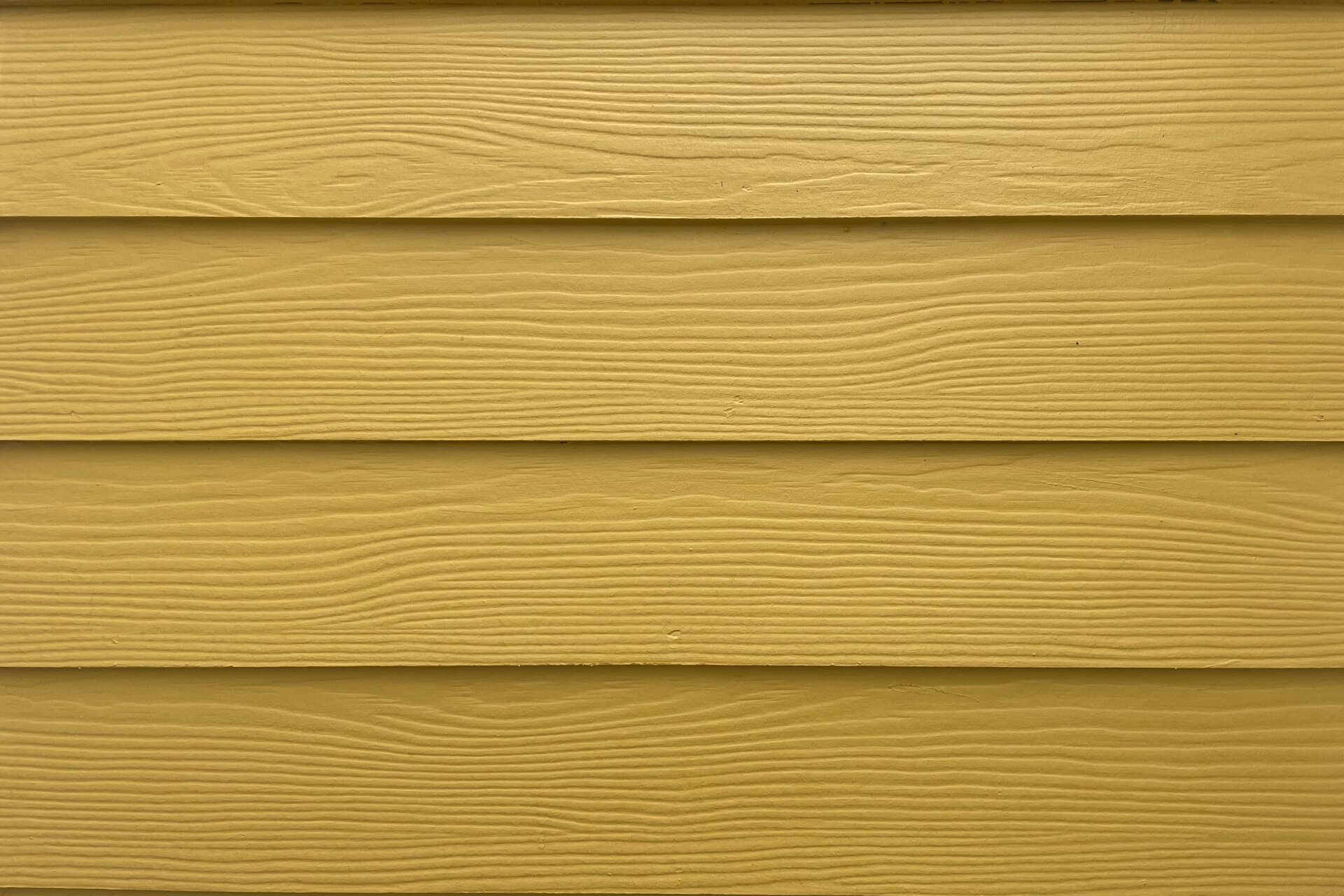
The tradeoff is upfront cost. Fiber cement is heavier than vinyl or engineered wood, which makes installation more labor-intensive and places it in the mid-to-premium price range among siding options. It also requires repainting every 10–15 years to maintain its appearance.
Lifespan: 30–50 years
Installed cost: Mid-to-premium range
2. Engineered wood siding (LP SmartSide)
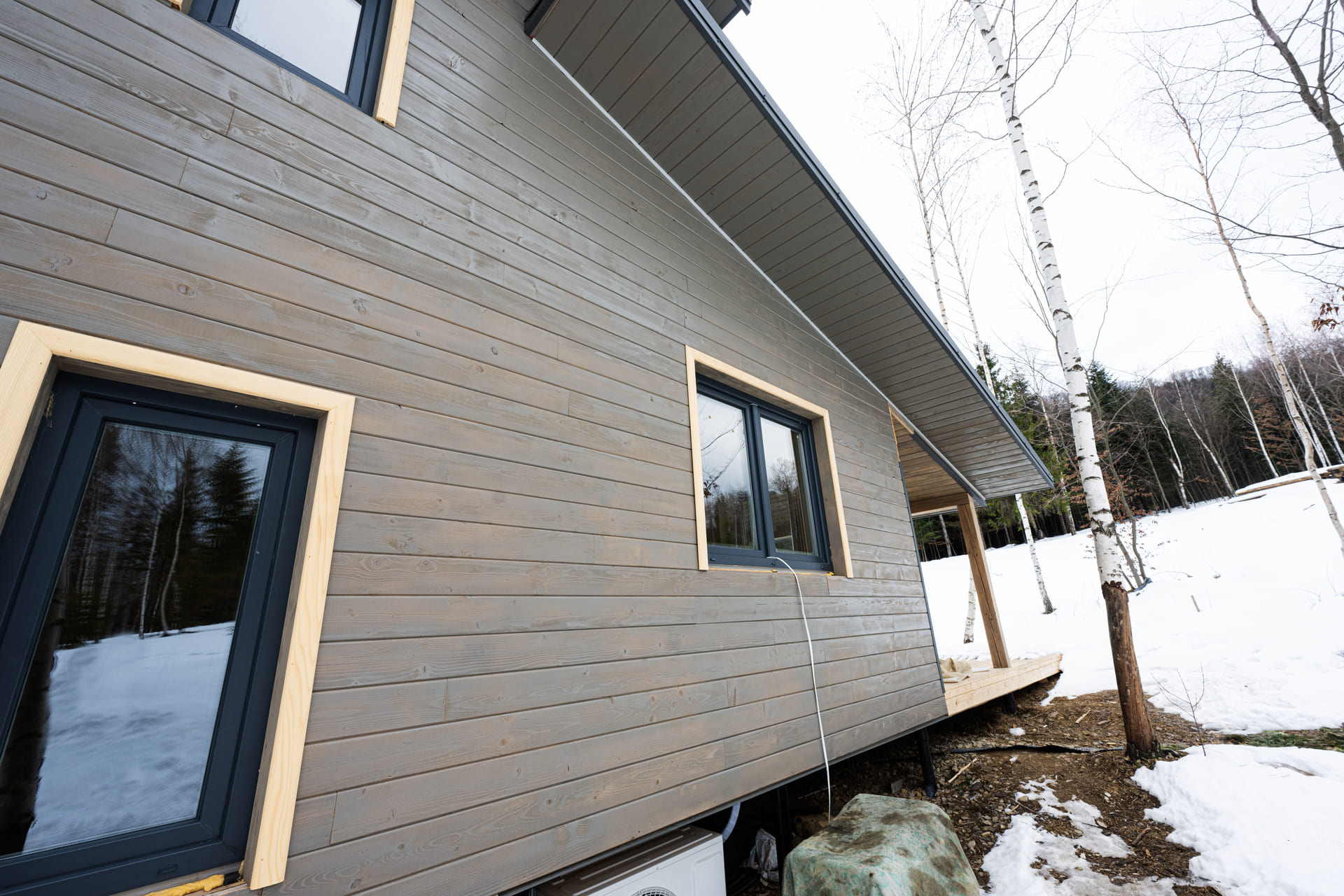
Engineered wood siding —such as LP SmartSide- is a popular recommendation for homeowners who want the warm, natural look of real wood without the maintenance demands that traditional wood requires in Wisconsin’s climate.
LP SmartSide is manufactured using a proprietary SmartGuard process that treats the wood strands and resin to the core, rather than just the surface. This protects against moisture infiltration, fungal decay, and freeze-thaw impact in a way that traditional wood simply can’t match.
As an example of how this plays out in practice: a historic craftsman home in Madison’s Marquette neighborhood could preserve its original wood character using LP SmartSide — without the cycle of rot repairs and repainting that bare wood demands in our climate.
LP SmartSide is lighter than fiber cement, which makes installation faster and reduces labor costs. It’s backed by a 50-year limited warranty and performs well through our freeze-thaw conditions.
Lifespan: 20–30 years (with proper maintenance)
Installed cost: Mid-range — more affordable than fiber cement, less expensive than steel
3. Vinyl siding
Vinyl is the most widely installed siding type across the country, and it has a legitimate place in the market for homeowners working within a tighter budget. It’s low-maintenance, comes in a wide range of colors, and doesn’t require painting.
Standard vinyl has real limitations in Wisconsin’s climate, however. It becomes brittle in extreme cold, making it more vulnerable to cracking from hail or wind-blown debris in January than it would be in July. It also expands and contracts significantly with temperature swings, which can cause seam separation over time if installation doesn’t account for that movement precisely.
Insulated vinyl — which adds a foam backing — performs considerably better in our climate. It reduces brittleness, improves energy efficiency with an R-value of around 2.0 to 3.5, and holds its shape better through temperature extremes.
If vinyl is the right choice for your project, insulated vinyl is worth the modest upgrade in cost. For a deeper look at the options available, see our guide to types of vinyl siding.
Lifespan: 20–40 years (standard); 25–40 years (insulated)
Installed cost: Standard vinyl is the most affordable option; insulated vinyl is a step up but still mid-range
Not sure which material fits your budget and home? Contact us to schedule a free consultation.
4. Steel siding
Steel siding is the most impact-resistant option available. It won’t dent from hail, won’t crack in the cold, and is fire-resistant and impervious to pests. For homes in areas of Dane County that regularly see severe summer storms, steel is worth serious consideration.
The tradeoff with steel is condensation management. Steel is a conductor, which means proper insulation and a moisture barrier behind the panel are non-negotiable in Wisconsin’s climate. Installed correctly, it performs extremely well. Without proper backing, condensation can accumulate behind the panel and cause damage to the wall assembly beneath.
Steel siding is also more limited in profile and style options than fiber cement or engineered wood, which may matter for homes where architectural character is a priority.
Lifespan: 40–70 years
Installed cost: Premium range, reflecting its durability and longevity
5. Traditional wood siding
Real wood siding has been used on Wisconsin homes for generations, and its aesthetic appeal is genuine — particularly on farmhouses, lakefront cabins, and historic homes where matching the original character matters. However, wood is among the most demanding siding materials to maintain in our climate.
Wisconsin’s moisture, combined with repeated freeze-thaw cycles and humid summers, accelerates the deterioration of untreated or poorly maintained wood siding. Without regular inspection, repainting, and sealing, wood can rot, warp, and invite pest infiltration within a few years of the last maintenance cycle.
For homeowners drawn to wood’s character, we can help identify whether traditional wood is the right fit — or whether an engineered alternative delivers the same look with far less long-term risk.
Lifespan: 20–40 years (highly dependent on maintenance)
Installed cost: Mid-to-premium range, with ongoing maintenance costs to factor in over time
Why Wisconsin’s climate is so hard on siding
Wisconsin’s weather doesn’t just pick one extreme — it throws all of them at your home, often within the same season.
According to the Wisconsin State Climatology Office, Madison averages 51.8 inches of snow per year. Madison’s own temperature records show a high of 107°F and a low of -37°F — a swing of more than 140 degrees that your siding lives through across its lifespan.
The biggest threat isn’t any single weather event. It’s the repetition. Freeze-thaw cycles hit South-Central Wisconsin dozens of times each winter, with temperatures crossing the freezing threshold repeatedly from November through March.
Every time moisture gets into a small crack and refreezes, it expands and forces that crack wider. Over several seasons, materials like basic vinyl and untreated wood can fail well before their rated lifespan.
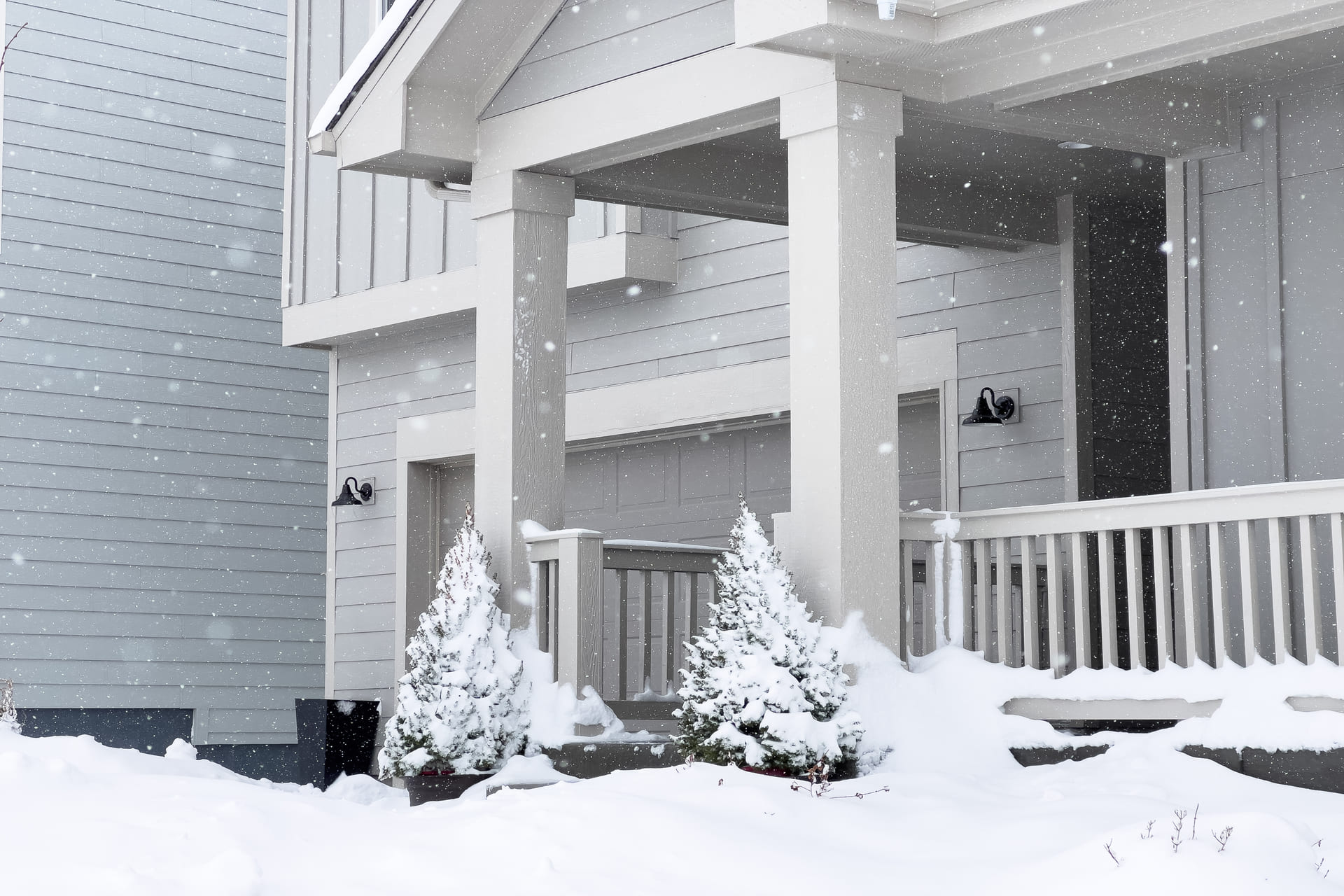
Add in hot, humid summers — Madison averages highs near 82°F in July — and you have a climate that demands siding built for both extremes. We help homeowners across Madison, Sun Prairie, and Dane County identify materials built to handle exactly these conditions, so the choice you make today holds up for decades.
What to look for in siding for a Wisconsin home
Choosing the right siding isn’t just about picking your favorite color or style. Several factors matter more in Wisconsin than they would in a milder climate.
Freeze-thaw resistance is the most important factor in our region. Materials expand and contract with temperature changes. The more dramatically a material moves, the more likely it is to crack, separate at seams, or let moisture in behind the panel.
Moisture resistance is closely related. Wisconsin’s spring thaws, summer storms, and heavy snow loads mean your siding will face sustained moisture exposure for months at a time. Materials that absorb water — like untreated wood — are at a real disadvantage here.
Impact resistance matters too. Summer hailstorms are common across Dane County and the surrounding region. Siding that dents or cracks from hail impact isn’t just an aesthetic problem — it opens the door to moisture infiltration and long-term structural damage.
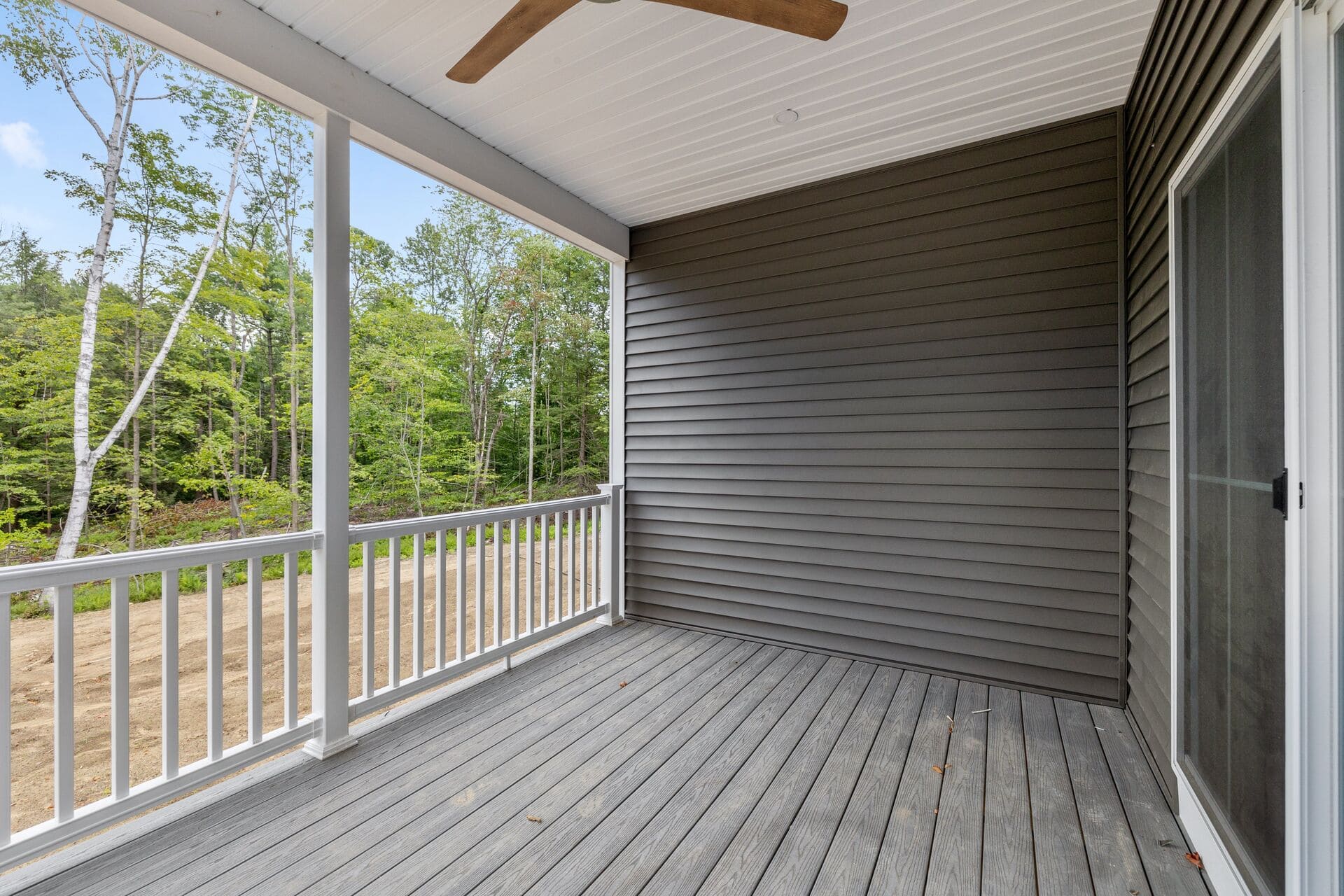
Energy efficiency influences your heating costs through a Wisconsin winter. Siding that works with your insulation system — rather than against it — can meaningfully reduce the load on your furnace from December through March.
Maintenance requirements are worth being realistic about. Some materials look great on day one but require regular repainting, sealing, or inspection to stay that way. Others are genuinely low-maintenance for decades.
Long-term cost is about more than the upfront price per square foot. A cheaper material that needs replacing in 20 years costs more over 50 years than a more durable option installed the first time correctly.
We walk every homeowner through these factors at the start of each project, so the material we recommend fits both the home and the household — not just the budget line.
Additional reading: types of siding for homes
Other siding materials available in Wisconsin
Beyond the five materials above, there are several other options homeowners consider:
- Composite siding is made from a mix of wood fibers, resins, and binding agents. It resists moisture and rot and can mimic the look of wood, making it a reasonable alternative to fiber cement for some budgets and styles.
- Concrete panel siding is extremely durable and low-maintenance, with a lifespan exceeding 50 years. It handles Wisconsin’s cold and moisture well but comes with a high upfront cost and requires professional installation.
- Natural stone siding can last 100+ years and requires almost no maintenance. It’s a premium option suited to estate homes and high-end remodels, but the cost and installation complexity put it out of reach for most projects.
- Manufactured stone siding mimics natural stone at a lower cost and is easier to install. It performs reasonably well in Wisconsin but needs proper sealing to prevent moisture intrusion through freeze-thaw cycles.
- Brick siding is highly durable and fire-resistant, with a lifespan of 75–100+ years. It performs well in our climate when installed with proper drainage, but is expensive and labor-intensive.
- Stucco siding is less suited to Wisconsin’s freeze-thaw conditions than most other materials. Without careful sealing and drainage, moisture can penetrate the surface and cause significant damage over time.
On the styles side, Wisconsin homes can also be finished in corrugated metal, standing seam metal panels, flush/flat panels, log siding, tongue and groove, scalloped siding, and reverse board and batten.
Each has its place depending on the home’s architecture and the homeowner’s aesthetic goals. Our team can walk you through any of these options during a consultation.
How Wisconsin’s siding materials compare
The table below compares each material on the factors that matter most in South-Central Wisconsin.
| Siding material | Freeze-thaw resistance | Hail/impact resistance | Maintenance level | Approximate lifespan | Relative cost |
| Fiber cement | Excellent | Excellent | Low–medium (repaint 10–15 yrs) | 30–50 years | Mid-to-premium |
| LP SmartSide (engineered wood) | Very good | Good | Low–medium (repaint as needed) | 20–30 years | Mid-range |
| Insulated vinyl | Good | Fair | Low | 25–40 years | Mid-range |
| Standard vinyl | Fair | Poor–fair | Low | 20–40 years | Most affordable |
| Steel | Excellent | Excellent | Low (requires proper backing) | 40–70 years | Premium |
| Traditional wood | Poor–fair | Poor | High | 20–40 years | Mid-to-premium |
Why siding installation quality matters as much as material choice
The best siding material on the market will still underperform if installation is done incorrectly. This is particularly true in Wisconsin, where freeze-thaw cycling and moisture exposure will find and exploit any weakness in the system over time.
Proper flashing at windows, doors, and roof-to-wall transitions is essential. Without it, water migrates behind the siding panel and into the wall assembly — where it can sit undetected for years before causing visible damage.
Expansion gaps must be calculated correctly for materials like vinyl that move significantly with temperature changes. House wrap and moisture barrier integration needs to be completed in the right sequence, not as an afterthought.
With more than 60 years of combined experience in Wisconsin, our team at Prairie Exteriors installs to the standards our climate demands — and we stand behind that work long after the crew leaves.
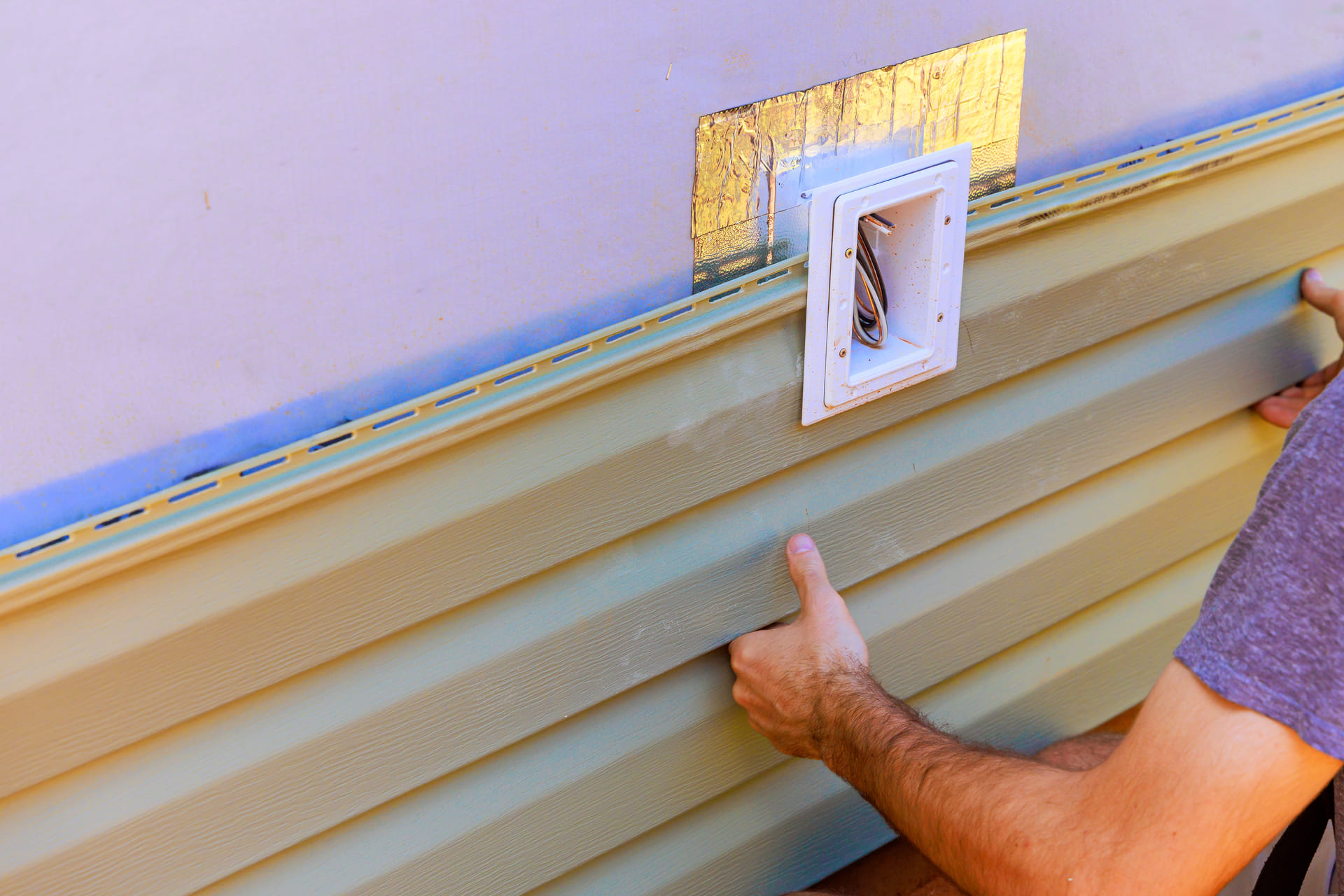
Our siding contractor in Sun Prairie, WI is ready to assess your home and recommend the right installation approach for your situation.
Siding styles that work well on Wisconsin homes
Material choice and siding style are separate decisions, but they work together. The most common styles we install across Madison, Sun Prairie, and South-Central Wisconsin include:
- Lap siding: The most traditional profile, installed horizontally. Works with virtually every home style and all major siding materials. A practical default for most projects.
- Board and batten: Vertical panels separated by narrow battens. Works particularly well on farmhouse, craftsman, and modern farmhouse styles common across Dane County. Available in both fiber cement and LP SmartSide.
- Shake and shingle: Mimics the look of cedar shake without the maintenance demands. A natural fit for lakefront properties and craftsman homes.
- Panel siding: Larger, smooth or textured panels are typically used for contemporary or modern home designs.
Most homes benefit from combining two profiles — using lap as the primary field and board and batten as an accent on a gable end or foundation band. We help homeowners find that combination during the planning stage, so the finished exterior looks intentional from every angle.
Let us take the guesswork out of your siding decision
With more than 60 years of combined experience working on homes across Madison, Sun Prairie, and South-Central Wisconsin, our team at Prairie Exteriors knows what our climate does to a home’s exterior — because we’ve seen it, repaired it, and installed the replacements.
We only recommend siding products we would put on our own homes, and we carry LP SmartSide and James Hardie fiber cement because they perform here, not because they look good in a brochure.
We work with you to evaluate your priorities — budget, maintenance tolerance, architectural style, and how long you plan to stay in the home — and give you a straight recommendation based on what actually makes sense for your situation.
Call us at +1 608-370-2528 or contact us to schedule a free consultation and find out which siding is the right investment for your home.
FAQs
Is it worth tearing off my old siding in Wisconsin, or can the new siding go over the top?
We typically recommend a full tear-off for Wisconsin homes. Installing over existing siding traps moisture between layers and hides damage that will worsen through freeze-thaw cycles. Removing the old material lets us inspect and repair the wall assembly beneath — preventing far costlier problems down the road.
What are the early warning signs that my siding is failing due to Wisconsin's freeze-thaw cycles?
Watch for panels that have visibly bowed, cracked, or pulled away from the wall, gaps forming at seams or around window trim, and interior paint bubbling near exterior walls. These are signs that moisture has entered and frozen behind the panels, and that the damage is already progressing into the wall assembly.
How long after a Wisconsin hailstorm should I get my siding inspected?
Get an inspection within 30 days of a significant hailstorm. Hail damage to siding isn’t always visible from the ground — small impacts crack the surface coating on materials like vinyl, creating entry points for moisture. Filing an insurance claim typically has a deadline, so prompt inspection protects both your home and your coverage.
Will replacing my siding in Wisconsin help lower my heating and cooling bills?
It can, particularly when upgrading from standard vinyl to insulated vinyl, fiber cement with continuous insulation, or LP SmartSide with a proper moisture barrier system. The improvement depends largely on your current wall assembly. We assess the full system during consultation, so we can give you an honest picture of the energy efficiency gains you can realistically expect.
Can siding be replaced on a Wisconsin home in winter, or does it have to wait until spring?
Siding can be replaced in winter, but conditions matter. Most materials — including fiber cement and LP SmartSide — can be installed in cold weather with the right precautions around caulking, adhesives, and paint adhesion. We schedule and manage winter projects to account for these variables, so quality isn’t compromised by the season.