
Vinyl siding comes in 7 distinct types, and choosing the right one for a Wisconsin home means understanding how each performs through freeze-thaw cycles, hail seasons, and long heating stretches:
- Insulated vinyl siding
- Scalloped vinyl siding
- Board and batten vinyl siding
- Clapboard/lap vinyl siding
- Dutch lap vinyl siding
- Shake vinyl siding
- Vinyl shingle siding
At Prairie Exteriors, we install all 7 types covered in this guide — and across more than 60 years of combined experience serving Madison, Sun Prairie, and South-Central Wisconsin, we’ve seen firsthand which styles hold up best in our climate and which ones fall short.
We walk through what makes each type a strong or weak choice for our region, the details most homeowners don’t know to ask about, and how to match your style decision to your home’s architecture and your energy goals.
Our siding contractor in Madison, WI is ready to help you find the right fit for your home.

7 types of vinyl siding to consider for your home
Each vinyl siding style below has its own visual profile, practical strengths, and considerations specific to Wisconsin’s climate. Here’s what you need to know about each one.
1. Insulated vinyl siding
Insulated vinyl siding is the strongest performer for Wisconsin homeowners who want to reduce energy loss without a major renovation. Standard vinyl offers almost no insulating value on its own. Insulated vinyl changes that by bonding a layer of expanded polystyrene (EPS) foam directly to the back of each panel — bringing the R-value to between 2.0 and 3.5, compared to near-zero for basic vinyl.
The foam backing also makes each panel more rigid, which gives insulated vinyl noticeably better impact resistance against hail than standard panels of the same thickness. For homes with older, drafty walls or minimal wall insulation, this upgrade can improve comfort and reduce energy bills in a way that standard siding won’t.
The U.S. Department of Energy specifically recommends considering wall insulation at the same time as re-siding, especially in very cold climates — and insulated vinyl is one of the more practical ways to address that during a replacement.
One thing to keep in mind: insulated vinyl panels are harder to repair than standard vinyl if they’re damaged, because the foam backing makes individual panel replacement more involved. It’s a tradeoff we’ll walk you through during consultation so nothing catches you off guard later.
- Cost range: More costly than basic vinyl.
- Durability/lifespan: 25 to 40 years. Extra foam core adds impact resistance.
- Maintenance needs: Low. Occasional cleaning is all that’s required.
- Energy efficiency/insulation: R-value of 2.0 to 3.5. Provides a noticeable improvement in thermal performance.
- Appearance / aesthetic flexibility: Comes in pre-finished panels with wood-like textures.
- Climate suitability: Better insulation for Wisconsin winters. Helps resist drafts and reduce energy loss.
- Popular use cases/home styles: Newer builds, energy-conscious upgrades, and older homes with under-insulated walls.
Pros:
- Meaningful insulation improvement over standard vinyl
- More rigid and impact-resistant than basic panels
- Still low maintenance
Cons:
- Higher upfront cost
- Individual panel repairs are more involved
- Limited repainting ability
2. Scalloped vinyl siding
Scalloped siding — sometimes called half-round siding — uses panels with a curved, rounded bottom edge rather than a straight one. Installed in overlapping rows, the curved edges create a pattern that resembles fish scales, giving homes a decorative charm that’s hard to replicate with any other siding type.
It’s a niche style, and it’s rarely used across an entire home’s exterior. More commonly, scalloped siding appears as an accent material: on gable ends, in the upper triangle of a dormer, below a roofline, or around a bay window. Used this way, it adds architectural detail without overwhelming the overall design.
Victorian, Queen Anne, and cottage-style homes are the most natural fit for scalloped siding. If your home has ornate trim, detailed woodwork, or a steeply pitched roofline, scalloped vinyl can complement those features well. In modern or minimalist homes, it tends to look out of place. Our team can help you identify where scalloped panels would add the most impact on your specific exterior.
- Cost range: Typically used in accent areas rather than full coverage.
- Durability/lifespan: 20 to 40 years. Performs comparably to standard lap vinyl.
- Maintenance needs: Low. Curved edges can collect dirt more readily than flat panels, so slightly more attention during cleaning.
- Energy efficiency/insulation: Low. Minimal R-value, similar to standard vinyl.
- Appearance / aesthetic flexibility: Decorative curved profile. Best used as an accent rather than a primary cladding material.
- Climate suitability: Performs well in Wisconsin. Not typically load-bearing, so freeze-thaw impact is minimal.
- Popular use cases / home styles: Victorian, Queen Anne, and cottage-style homes; gable ends, dormers, and decorative wall sections.
Pros:
- Adds significant architectural character
- Works well as a cost-effective accent material
- Low maintenance
Cons:
- Niche aesthetic — not suited to all home styles
- Curved edges need slightly more cleaning attention
- Rarely practical as a whole-home solution
Our siding contractor in Sun Prairie, WI is ready to help you find the right fit for your home.
3. Board and batten vinyl siding
Board and batten siding runs vertically rather than horizontally, with wide flat panels separated by narrow strips called battens that cover the seams. It’s one of the fastest-growing siding trends right now, driven largely by the popularity of modern farmhouse architecture — and it works just as well on traditional Wisconsin homes as it does on contemporary builds.
The vertical orientation draws the eye upward, making homes feel taller and more architecturally distinct. It also pairs naturally with horizontal lap siding on the same exterior when used as an accent — on gable ends, dormers, or the upper story — giving the home a layered, mixed-material look.
Because the battens sit proud of the wall surface, proper caulking at the top and bottom of vertical runs is essential to prevent water infiltration during heavy rain or snowmelt. This is an installation detail that matters more with vertical profiles than horizontal ones, and it’s something our installation teams are trained to handle correctly on every job.
- Cost range: More affordable than wood or fiber cement equivalents.
- Durability/lifespan: 20 to 40 years. Performs well when vertical runs are properly caulked and sealed.
- Maintenance needs: Low. Occasional washing is sufficient. Inspect caulking around battens annually.
- Energy efficiency/insulation: Low on its own. Can be paired with foam sheathing behind for improved performance.
- Appearance / aesthetic flexibility: Bold vertical lines with strong shadow detail. Available in many colors and widths.
- Climate suitability: Good for Wisconsin when correctly installed. Vertical orientation requires careful attention to water management at panel edges.
- Popular use cases/home styles: Modern farmhouse, contemporary, and transitional homes. Effective as a full exterior or accent application.
Pros:
- On-trend aesthetic with strong curb appeal
- Versatile as a full exterior or accent material
- Affordable relative to other board and batten materials
Cons:
- Vertical profile requires careful installation to manage water
- Fewer manufacturers offer vinyl board and batten versus lap styles
- Can look dated quickly if trend cycles shift
4. Clapboard/lap vinyl siding
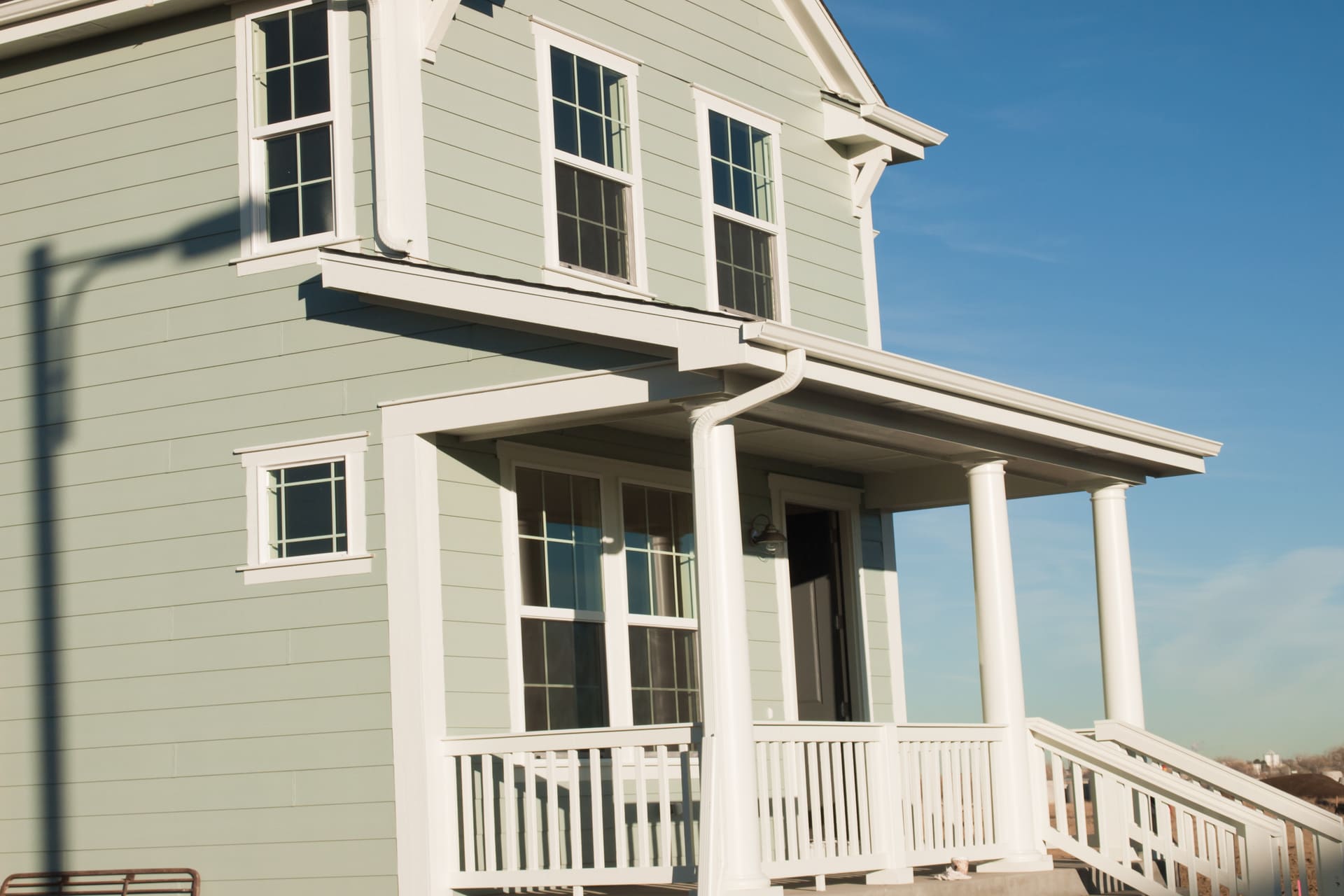
Clapboard siding — also called lap siding — is the most common vinyl siding style in Wisconsin and across the country. Each panel is a long, horizontal board that overlaps the one below it, creating a layered effect that sheds water naturally and gives homes a clean, traditional look.
It’s the style most people picture when they think of vinyl siding: simple horizontal lines, available in a wide range of widths and colors, and compatible with almost every home architecture from ranch-style homes to two-story colonials. Panel widths typically range from 3.5 inches to 8 inches, with wider panels giving the home a more relaxed, modern feel and narrower panels reading as more traditional.
The overlapping installation method naturally directs water downward and away from the wall, which helps during heavy rain and spring snowmelt. It’s also one of the easiest siding types to repair panel by panel after hail or impact damage — a meaningful advantage in Dane County, where hail storms are a seasonal reality. Our team can help you select the right panel width and color profile to suit both your home’s architecture and Wisconsin’s seasonal demands.
- Cost range: One of the most affordable and easiest types to install.
- Durability/lifespan: 20 to 40 years. Can become brittle in extreme cold. Dents from hail or strong impact.
- Maintenance needs: Very low. Occasional washing is all that’s needed.
- Energy efficiency/insulation: Basic vinyl offers little insulation. Often paired with foam sheathing behind.
- Appearance / aesthetic flexibility: Available in a wide range of colors and textures. Some styles mimic the look of wood.
- Climate suitability: Performs well in Wisconsin with added insulation. May crack under extreme freeze-thaw cycles if thin panels are used.
- Popular use cases/home styles: Suburban homes, starter homes, traditional and colonial-style builds, budget-conscious remodels.
Pros:
- Most affordable and widely available vinyl style
- Easiest to repair panel by panel after hail damage
- Compatible with virtually every home architecture
Cons:
- Minimal insulation without an upgrade
- Can become brittle in extreme cold
- Less visual depth than Dutch lap or shake styles
5. Dutch lap vinyl siding
Dutch lap siding is a variation of traditional clapboard, but with one meaningful design difference: each panel has a beveled edge and a decorative notch where it meets the panel below it. That notch creates a shadow line that gives the exterior more visible depth and dimension than flat lap siding.
From the street, Dutch lap reads more like natural wood clapboard than standard flat panels do — the shadow line creates a texture that makes a home look more substantial and carefully detailed. It fits comfortably on traditional and craftsman-style homes without requiring a premium budget.
Performance-wise, Dutch lap behaves similarly to standard lap siding through Wisconsin’s freeze-thaw cycles. The deeper profile creates small recessed areas that can collect debris over time, so it benefits from a slightly more thorough rinse during annual cleaning. Our team can show you side-by-side samples of standard lap and Dutch lap to help you decide which best suits your home before any commitment is made.
- Cost range: Marginally more than standard lap due to the more detailed profile.
- Durability/lifespan: 20 to 40 years. Performance is comparable to standard lap vinyl.
- Maintenance needs: Low. The beveled notch can collect debris, so slightly more thorough cleaning is recommended.
- Energy efficiency/insulation: Low. Pairs well with foam sheathing for improved performance.
- Appearance / aesthetic flexibility: Beveled edge with a shadow line that adds visible depth. Reads more like wood clapboard than flat panels.
- Climate suitability: Strong. Behaves like standard lap siding through Wisconsin’s freeze-thaw cycles.
- Popular use cases/home styles: Craftsman, farmhouse, and traditional-style homes looking for more curb appeal than standard lap.
Pros:
- More visual depth than flat lap at a modest price increase
- Mimics the look of natural wood clapboard convincingly
- Same reliable Wisconsin climate performance as standard lap
Cons:
- Deeper profile collects slightly more dirt
- Marginally higher cost than standard lap
- Limited visual distinction from standard lap at a distance
| Feature | Standard lap | Dutch lap |
| Visual depth | Flat, minimal shadow | Beveled edge with shadow line |
| Maintenance | Easy to rinse clean | May need slightly more attention |
| Style fit | Colonial, ranch, most traditional styles | Craftsman, farmhouse, traditional |
| Cost difference | Base reference | Marginally higher |
| Wisconsin climate performance | Strong | Strong |
Not sure which style fits your home? Contact us to schedule a free consultation with our team.
6. Shake vinyl siding
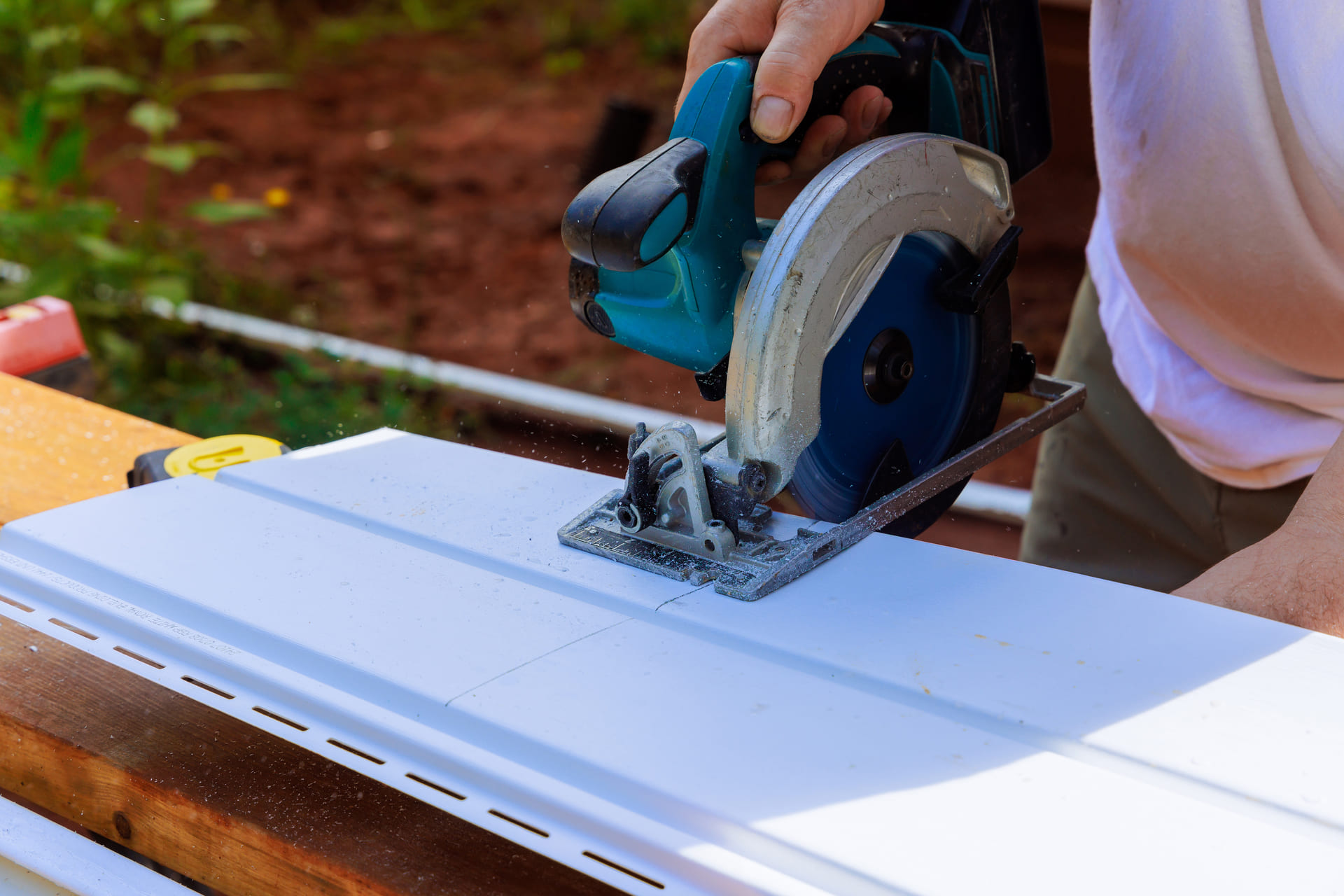
Shake vinyl siding is designed to mimic the look of split cedar wood shakes — the kind of irregular, hand-hewn texture you’d see on a craftsman bungalow or historic cottage. The panels are textured and typically staggered, with varied panel depths that create the shadow and dimension of real wood without any of the maintenance demands.
There are two main profiles within the shake category. Cedar shake panels replicate the look of milled cedar with consistent depth and texture that reads as traditional wood shake from the street.
Hand-split (staggered-edge) shake panels have irregular bottom edges and varied surface texture, mimicking the rustic look of shakes that were actually split by hand — the staggered profile creates deeper shadows and more visual interest at close range.
Shake vinyl holds up well through Wisconsin’s seasonal temperature swings, with no risk of the rot, mildew, or insect activity that affects real cedar. Where appearance authenticity is a priority — particularly on a home with historical or architectural significance — we’ll give you an honest assessment of how each shake profile will read in person, so you can make the right choice for your home.
- Cost range: Premium over standard lap due to more complex panel profiles.
- Durability/lifespan: 20 to 40 years. No rot, mildew, or insect risk, unlike real cedar.
- Maintenance needs: Low. Deeper texture can trap dirt, so periodic cleaning is recommended.
- Energy efficiency/insulation: Low on its own. Can be paired with foam sheathing for improved thermal performance.
- Appearance / aesthetic flexibility: Textured, wood-like surface with staggered or uniform profiles. Adds warmth and depth to any elevation.
- Climate suitability: Good for Wisconsin. No swelling, rotting, or insect damage through seasonal changes.
- Popular use cases/home styles: Craftsman, cottage, and Tudor-style homes. Also used as a decorative accent on gables or upper stories.
Pros:
- Authentic wood shake appearance without the upkeep
- No rot, insect, or moisture damage
- Works as both a primary material and accent application
Cons:
- Identifiably vinyl at close range
- Deeper texture requires more thorough cleaning
- Slightly higher cost than standard lap
7. Vinyl shingle siding
Vinyl shingle siding is closely related to vinyl shake, but the profile is more uniform and the panels are typically square-edged rather than staggered. Shingles can be installed individually or in pre-assembled panels, making them one of the more flexible vinyl options for covering irregular wall shapes, rounded surfaces, or accent areas.
The square, uniform profile gives homes a cleaner, more symmetrical version of the textured look that shake provides — more refined than staggered shake, while still adding depth and character compared to flat lap or Dutch lap panels.
Like scalloped siding, vinyl shingles are commonly used as an accent material on gables, dormers, and decorative wall sections, but they also work well as a primary material on smaller homes or cottages.
One practical advantage for Wisconsin homes is that individual shingle installation means damaged sections can be replaced one panel at a time without affecting surrounding panels. After a hail event, that replaceability can translate directly into lower repair costs — and it’s a factor we’ll always discuss with you when weighing your siding options.
- Cost range: Comparable to shake vinyl; individual installation may increase labor slightly.
- Durability/lifespan: 20 to 40 years. Individual panel construction makes targeted repairs straightforward.
- Maintenance needs: Low. A uniform profile is slightly easier to clean than staggered shake.
- Energy efficiency/insulation: Low. Pairs with foam sheathing for improved performance.
- Appearance / aesthetic flexibility: Clean, uniform shingle profile. More refined than staggered shake; more textured than flat lap.
- Climate suitability: Good for Wisconsin. Individual panels can be replaced without disturbing the surrounding installation after storm damage.
- Popular use cases/home styles: Cottages, smaller homes, and mixed-material exteriors. Effective as an accent on gables and dormers.
Pros:
- Individual panel replaceability makes storm damage repairs easier
- Cleaner, more uniform profile than staggered shake
- Flexible installation suits irregular shapes and accent areas
Cons:
- Individual installation increases labor time versus panel systems
- Less visual drama than a hand-split staggered shake
- Limited whole-home application on larger properties
Why vinyl siding is a strong fit for Wisconsin homes
Vinyl siding is one of the most widely installed exterior materials across South-Central Wisconsin, and for good reason. It’s one of the most popular types of siding for homes in the region — costing just a few dollars per square foot installed, lasting 20 to 40 years, and requiring little more than an occasional rinse to keep it looking sharp.
Unlike wood, vinyl doesn’t absorb moisture — a key advantage in a state where freeze-thaw cycles can cause wood to warp, swell, and crack over time.
According to the Wisconsin State Climatology Office, Madison averages 51.8 inches of snow annually, putting real stress on any exterior surface. Vinyl’s non-porous surface means water can’t work its way into panels during those cycles — a practical benefit that tends to get overlooked until you’re dealing with the repair bill for a material that wasn’t up to the job.
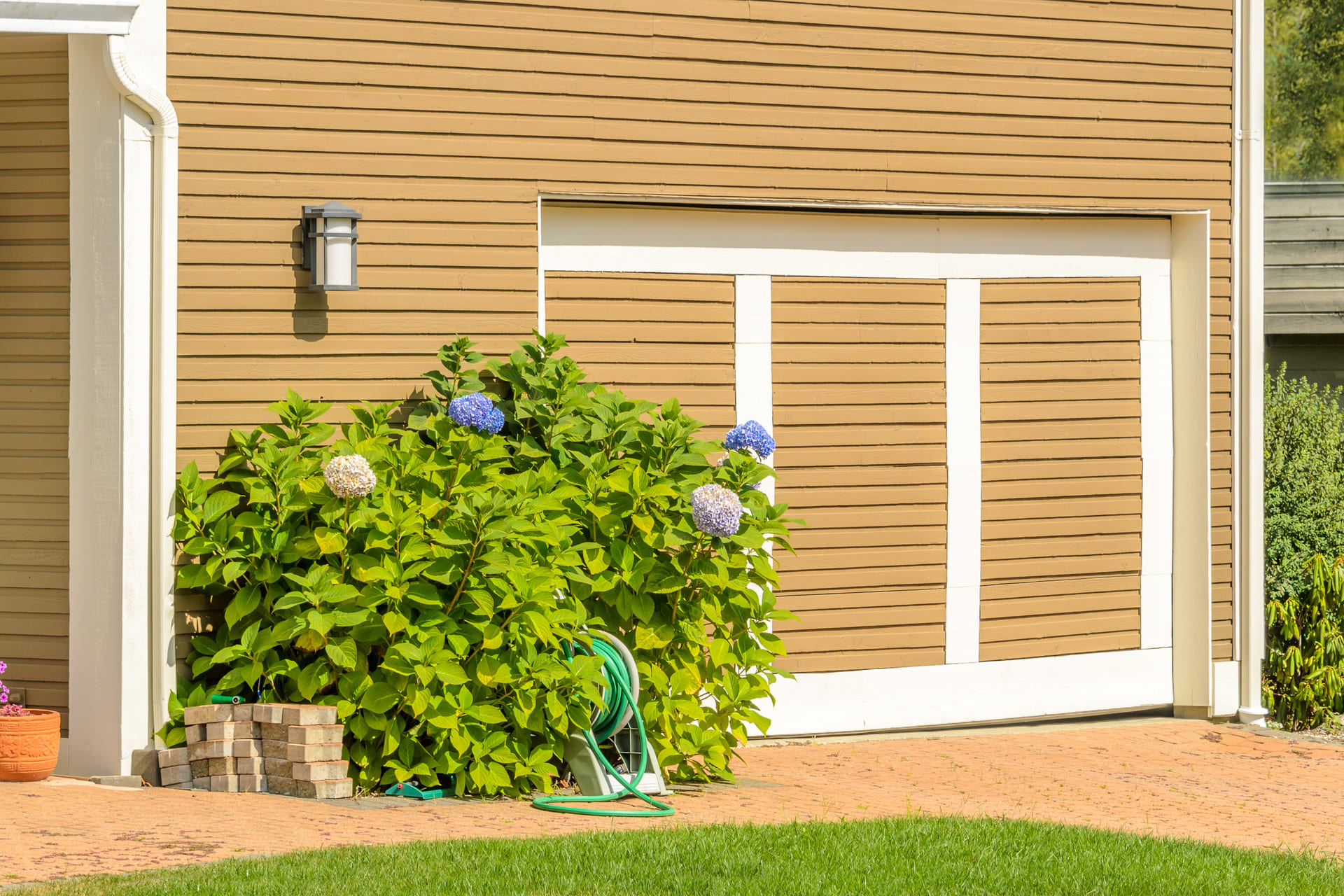
There’s also the thickness question most homeowners don’t know to ask. Vinyl panels must meet a minimum of 0.035 inches under ASTM testing standards to be considered structurally sound.
Builder-grade vinyl typically runs around 0.040 inches, while premium-grade panels reach 0.055 inches. In Wisconsin’s climate, thicker panels resist cracking in extreme cold better than thinner options — and that’s worth factoring into your budget from the start.
Vinyl isn’t perfect. It can become brittle in extreme cold, and basic vinyl provides minimal insulation on its own. That’s where style and product selection matter — and where we can help you make the right call for your specific home.
How Wisconsin’s climate should shape your vinyl siding choice
Wisconsin’s weather puts real demands on exterior materials that most general guides don’t account for. Here’s what our climate means for your siding decision — and where our team can steer you in the right direction.
Freeze-thaw cycles are the biggest variable. Water that penetrates behind panels during a winter thaw and then refreezes can work siding loose over time. Proper installation with correct expansion gaps is non-negotiable — vinyl expands and contracts with temperature, and panels that are nailed too tight will buckle. This is an installation discipline, not a material limitation, and one we take seriously on every project.
Hail and impact are a seasonal reality in Dane County. Thicker panels (0.046 inches and above) and insulated vinyl offer better resistance than thin, builder-grade panels. If your home has taken hail damage before, panel thickness is a conversation we’ll initiate — not one you need to remember to ask about.
Energy performance matters in a state where heating costs run high from November through March. Basic vinyl adds almost no R-value to your wall assembly. If your walls are under-insulated, we’ll flag that during our assessment and walk you through whether upgrading to insulated vinyl makes financial sense for your home.
UV exposure in Wisconsin summers is more significant than many homeowners expect. Modern vinyl uses UV-resistant pigments, but darker colors still fade faster than lighter ones. If you’re drawn to trending deep tones, we’ll point you toward products with the right UV resistance ratings so your color holds its appearance over time.
Comparing the 7 vinyl siding types for Wisconsin homes
| Siding type | Lifespan | Wisconsin climate performance | Energy efficiency | Best architectural fit |
| Insulated vinyl | 25–40 years | Excellent | R-2.0 to 3.5 | Most home styles |
| Scalloped vinyl | 20–40 years | Good — accent use | Low | Victorian, Queen Anne, cottage |
| Board and batten | 20–40 years | Strong — caulk vertical runs | Low | Modern farmhouse, contemporary |
| Clapboard/lap | 20–40 years | Strong — proven in all conditions | Low | Traditional, ranch, colonial |
| Dutch lap | 20–40 years | Strong | Low | Craftsman, farmhouse, traditional |
| Shake vinyl | 20–40 years | Good — no rot or insect risk | Low | Craftsman, cottage, Tudor |
| Vinyl shingle | 20–40 years | Good — easy storm repairs | Low | Cottage, accent applications |
Additional reading: best type of siding
Let Prairie Exteriors guide you to the right vinyl siding for your home
At Prairie Exteriors, we only install products we’d put on our own homes — and that approach guides every recommendation we make. With more than 60 years of combined experience serving Madison, Sun Prairie, and South-Central Wisconsin, we carry multiple siding lines and approach every project as an unbiased advisor, not a salesperson for one brand or product.
Whether you’re replacing aging siding, rebuilding after a hail event, or planning a fresh exterior look, we’re here to walk you through every option and make sure the choice you make is right for your home, your climate, and your budget.
Call us at +1 608-370-2528 or contact us to book a free consultation with our siding team.
FAQs
Can vinyl siding be installed over existing siding on a Wisconsin home?
Vinyl can be installed over existing siding, but we typically recommend removing the old material first. Wisconsin’s freeze-thaw cycles can hide water damage behind existing panels that only becomes visible once they’re removed — installing over compromised sheathing shortens the life of your new siding.
How do I know what thickness of vinyl siding I need for a Wisconsin home?
For Wisconsin homes, we recommend panels of at least 0.046 inches thick for reliable cold-weather performance and hail resistance. The ASTM minimum is 0.035 inches, but builder-grade panels at that threshold are more prone to cracking in extreme cold. Premium-grade panels reach 0.055 inches.
Does installing vinyl siding affect the warranties on my windows or other exterior components?
In most cases, new vinyl siding won’t void your existing window warranties — but this depends on each manufacturer’s specific terms. Some require minimum clearance or compatible flashing to maintain coverage. We check these details during the consultation process so nothing is missed before work begins.
How soon after a hail storm should I have my vinyl siding inspected in Wisconsin?
Schedule an inspection within 30 to 60 days of a significant hail event. Cracking, denting, and punctures are often not visible from the ground. Acting within that window also protects your ability to file an insurance claim, as Wisconsin policies typically have time limits on storm damage reporting.
Does my HOA need to approve my vinyl siding color or style before installation starts?
Yes — if your home is in a subdivision with an active HOA, written approval is almost always required before any exterior material or color change. Most HOAs maintain an approved product and color list. We guide homeowners through the submission process and provide all necessary documentation in advance.